Oceanobacillus picturae

Gram-positiveRodNon-motileaerobic / microaerophile

Kingdom

Bacillati

Phylum

Bacillota

Class

Bacilli

Order

Caryophanales

Family

Bacillaceae

Genus

Oceanobacillus

Description

Oceanobacillus picturae is a Gram-positive, rod-shaped bacterium that thrives in moderately high temperatures, classifying it as a thermophile. This microbe is a chemoheterotroph, deriving its energy from organic compounds, and is an obligate aerobe, requiring oxygen for its growth and metabolic processes.As a Gram-positive organism, O. picturae possesses a thick peptidoglycan layer in its cell wall, which retains the crystal violet stain used in the Gram-staining procedure, resulting in a purple coloration under the microscope. This characteristic not only provides structural support but also play a vital role in the bacterium's ability to withstand various environmental stresses. Its rod-shaped morphology enables effective motility in aquatic environments, where it is typically found as a part of diverse microbial communities. The temperature preference of O. picturae aligns with its classification as a thermophile, thriving optimally in warmer waters, such as those found in marine ecosystems. Its role as a chemoheterotroph highlights its reliance on organic substrates, allowing it to utilize complex compounds from its environment, which fosters interactions with other microorganisms and contributes to nutrient cycling within its habitat. Being an obligate aerobe, O. picturae is dependent on oxygen, which necessitates specific ecological niches where oxygen levels are sufficient for its metabolism. Oceanobacillus picturae has been studied not only for its ecological significance in marine environments but also for its potential applications in biotechnology, including bioremediation and industrial processes, due to its unique metabolic capabilities. Researchers are exploring its biotechnological applications, particularly its ability to degrade complex organic materials in the presence of oxygen, which could have implications for environmental sustainability efforts.

Taxonomy

KingdomBacillati
PhylumBacillota
ClassBacilli
OrderCaryophanales
FamilyBacillaceae
GenusOceanobacillus
SpeciesOceanobacillus picturae
StrainNo strain

Profile

Physiology
Gram staining propertiesPositive
ShapeRod
MobilityNo
Flagellar presenceYes
Number of membranesNot Available
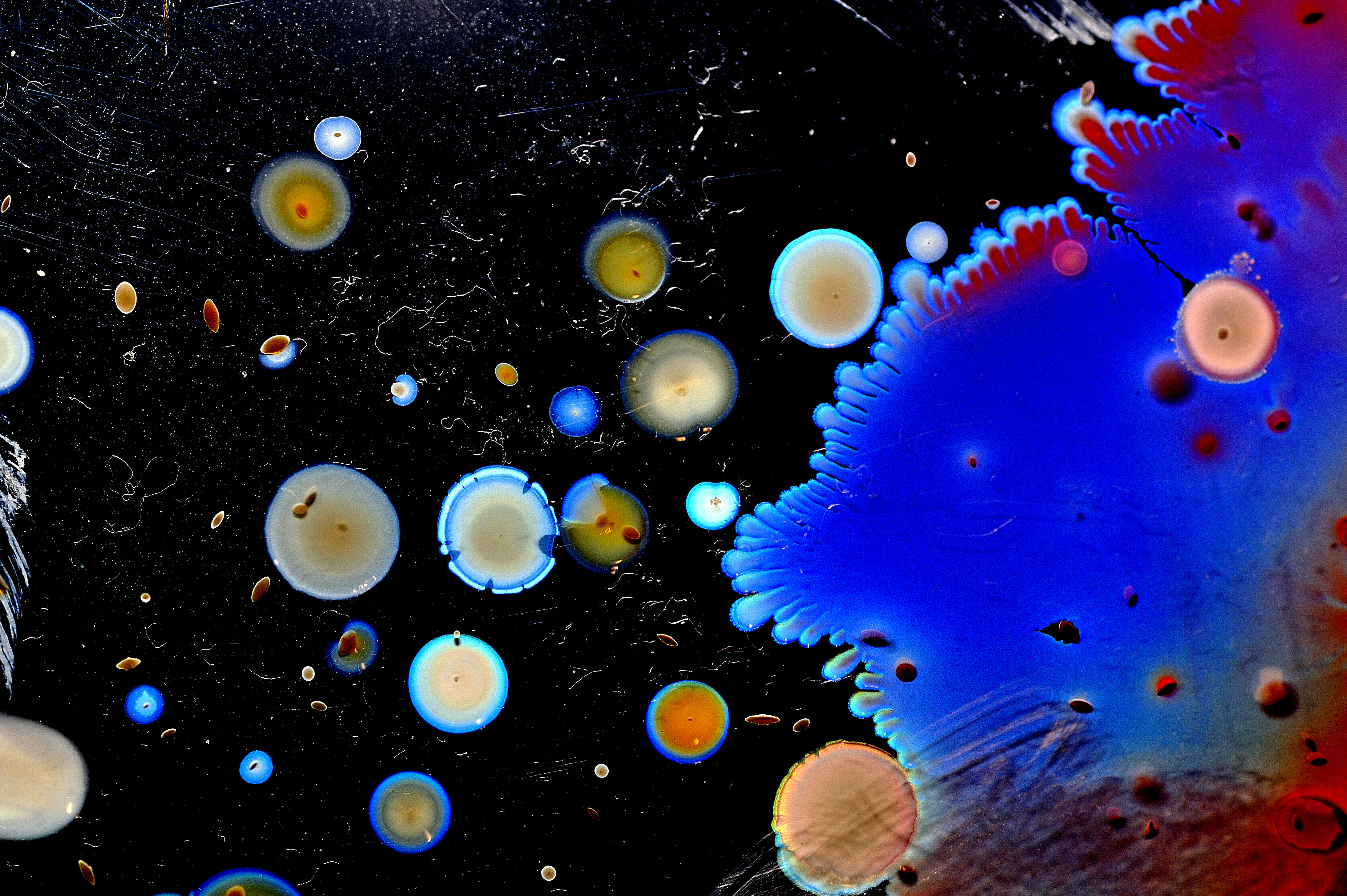
Image of Oceanobacillus picturae
AI-generated image based on bacteria physiology
Ecology, Host, and Life Cycle
Oxygen requirementsaerobic / microaerophile
Optimal temperatureNot Available
Temperature rangeMesophilic
HabitatMultiple
Biotic relationshipNot Available
Host(s)Not Available
Cell arrangementNot Available
SporulationNonsporulating
Energy sourceChemoheterotroph
PathogenicityNot Available

Genome Summary

Oceanobacillus picturae WGS project CCAX000000000 data, strain S1,

Gene Summary

Adenine Count

1104352 bp

Thymine Count

1131875 bp

Guanine Count

701665 bp

Cytosine Count

737283 bp

Genome Length

3675175 bp

Protein-coding Genes

3637 genes

Non-Coding Genes

80 genes

# of Chromosomes/Plasmids

1

Genes

NameLocus TagUniProt IDStrand OrientationGene Start/EndProtein Molecular Weight
ditrans,polycis-undecaprenyl-diphosphate synthase ((2e,6e)-farnesyl-diphosphate specific)BN988_00659Not AvailableNegative628999 - 62976329636.6
vegetative protein 12bBN988_00660Not AvailableNegative630178 - 63072620370.1
uridylate kinaseBN988_00661Not AvailableNegative630729 - 63145126295.9
elongation factor tsBN988_00662Not AvailableNegative631605 - 63248932693.0
vegetative protein 209BN988_00663Not AvailableNegative632591 - 63333728256.1
hypothetical proteinBN988_00664Not AvailableNegative633517 - 63397217418.6
hypothetical proteinBN988_00665Not AvailableNegative633992 - 63428811539.6
hypothetical proteinBN988_00666Not AvailableNegative634323 - 63569650517.1
sigma-28BN988_00667Not AvailableNegative635763 - 63654529723.6
chemoreceptor glutamine deamidase chedBN988_00668Not AvailableNegative636585 - 63708217719.8

Displaying genes 701 – 710 of 3717 in total

Pathways

0 pathways

No pathways found

No metabolic pathways have been associated with this bacterium yet.

Metabolites

411 records
Metabolite IDMetabolite nameStructureCAS number
BASm0000173(R)-3-Hydroxybutyric acidC4H8O3Chemical structure of (R)-3-Hydroxybutyric acid625-72-3
Average104.0473Da
Monoisotopic104.047344122Da
BASm00002512-dehydropantoateC6H9O4Chemical structure of 2-dehydropantoateNot available
Average145.1333Da
Monoisotopic145.050083776Da
BASm0000377(S)-malateC4H4O5Chemical structure of (S)-malateNot available
Average132.0716Da
Monoisotopic132.005873238Da
BASm0000893crotonobetaineC7H13NO2Chemical structure of crotonobetaine927-89-9
Average143.1836Da
Monoisotopic143.0946287Da
BASm0000989GlycerolC3H8O3Chemical structure of Glycerol56-81-5
Average92.0938Da
Monoisotopic92.04734412Da
BASm0001167triphosphateO10P3Chemical structure of triphosphate14127-68-5
Average252.9153Da
Monoisotopic252.8704308Da
BASm0001360methanesulfonateCH3O3SChemical structure of methanesulfonate59721-29-8
Average95.09Da
Monoisotopic94.980838711Da
BASm0001639CobinamideC48H72CoN11O8Chemical structure of Cobinamide13497-85-3
Average990.0874Da
Monoisotopic989.4897335Da
BASm0001661Cu(2+)CuChemical structure of Cu(2+)7440-50-8
Average63.546Da
Monoisotopic62.929601079Da
BASm0001921(S)-3-methyl-2-oxopentanoateC6H9O3Chemical structure of (S)-3-methyl-2-oxopentanoate1460-34-0
Average129.1339Da
Monoisotopic129.0551692Da

Displaying 1–10 of 411 metabolites

Health Effects

No health effects information available for this bacterium.