Streptococcus pneumoniae R6

Gram-positiveCocciNon-motileFacultative anaerobe

Kingdom

Bacillati

Phylum

Bacillota

Class

Bacilli

Order

Lactobacillales

Family

Streptococcaceae

Genus

Streptococcus

Description

Streptococcus pneumoniae R6 is a gram-positive, lancet-shaped bacterium that thrives in the moderate temperature range typical of mesophiles and is classified as a chemoheterotroph. Commonly found in human respiratory tracts, this versatile microbe can also inhabit various body sites, including the nasopharynx and even the bloodstream in cases of invasive disease. As a facultative anaerobe, S. pneumoniae R6 can grow in both the presence and absence of oxygen, although it generally prefers environments with oxygen for optimal growth. The gram-positive nature of S. pneumoniae R6 indicates a thick peptidoglycan layer in its cell wall, making it resilient against certain environmental stressors. This characteristic is critical for its survival in the human host, where it can evade immune responses. The bacterium's lancet-shaped cocci arrangement allows for efficient colonization of mucosal surfaces, contributing to its pathogenicity. Streptococcus pneumoniae is predominantly transmitted through respiratory droplets, often leading to illnesses such as pneumonia, meningitis, and otitis media. As a chemoheterotroph, S. pneumoniae R6 derives its energy from organic compounds, specifically carbohydrates, which are metabolized anaerobically or aerobically. Its ability to function as a facultative anaerobe provides a survival advantage in various environments, allowing it to persist in a host even when oxygen levels fluctuate or become depleted. S. pneumoniae R6 is also known for its genetic tractability, serving as a model organism in microbiological research. Its genome has been fully sequenced, facilitating studies on bacterial genetics, antibiotic resistance mechanisms, and the development of vaccines. Notably, it has played a pivotal role in elucidating the principles of transformation and the gene transfer process in bacteria, contributing significantly to our understanding of microbial genetics and evolution.

Taxonomy

KingdomBacillati
PhylumBacillota
ClassBacilli
OrderLactobacillales
FamilyStreptococcaceae
GenusStreptococcus
SpeciesStreptococcus pneumoniae
StrainR6

Profile

Physiology
Gram staining propertiesPositive
ShapeCocci
MobilityNo
Flagellar presenceYes
Number of membranes1
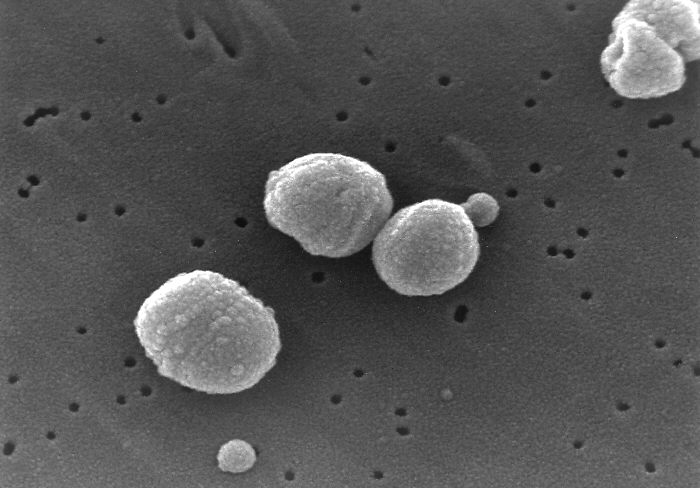
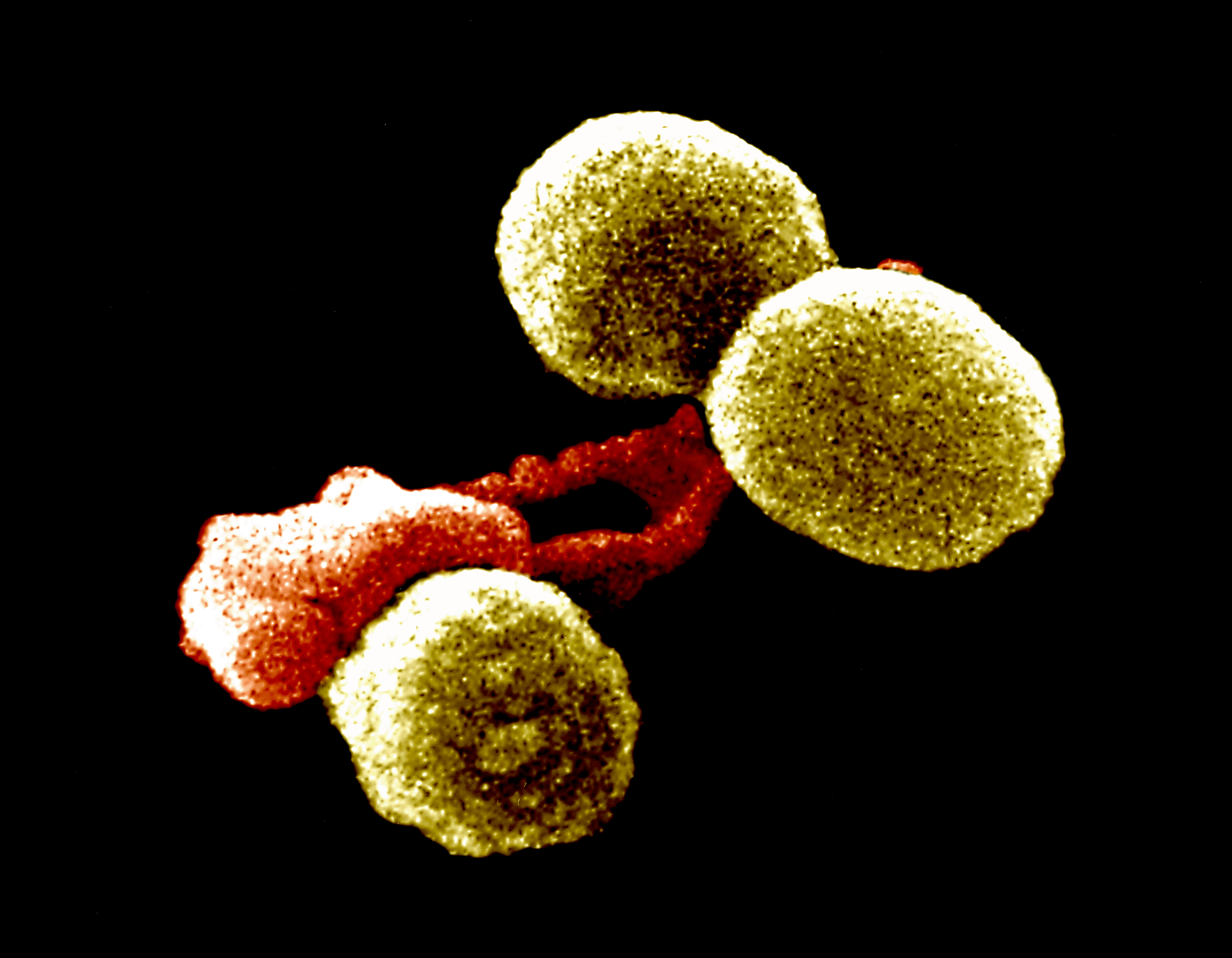
Image of Streptococcus pneumoniae R6
Image source: Wikipedia/Wikimedia
Ecology, Host, and Life Cycle
Oxygen requirementsFacultative anaerobe
Optimal temperature30
Temperature rangeMesophilic
HabitatMultiple
Biotic relationshipFree living
Host(s)Not Available
Cell arrangementChains - Pairs
SporulationNonsporulating
Energy sourceNot Available
PathogenicityNo

Genome Summary

Streptococcus pneumoniae R6, complete sequence.

Gene Summary

Adenine Count

615270 bp

Thymine Count

613689 bp

Guanine Count

406018 bp

Cytosine Count

403638 bp

Genome Length

2038615 bp

Protein-coding Genes

2019 genes

Non-Coding Genes

73 genes

# of Chromosomes/Plasmids

1

Genes

NameLocus TagUniProt IDStrand OrientationGene Start/EndProtein Molecular Weight
cysteine desulfurase family proteinSPR_RS05010Not AvailableNegative984159 - 98527440750.8
ribose-phosphate diphosphokinaseSPR_RS05015Not AvailableNegative985284 - 98624335127.4
cyth domain-containing proteinSPR_RS05020Not AvailableNegative986356 - 98692522348.8
gtp pyrophosphokinase family proteinSPR_RS05025Not AvailablePositive987053 - 98772426184.3
nad kinaseSPR_RS05030Not AvailablePositive987708 - 98852631037.1
rlua family pseudouridine synthaseSPR_RS05035Not AvailablePositive988523 - 98941933895.6
phosphate acetyltransferaseSPR_RS05040Not AvailablePositive989463 - 99043735125.6
yhge/pip family proteinSPR_RS05045Not AvailableNegative990699 - 99201648712.7
ybab/ebfc family nucleoid-associated proteinSPR_RS05050Not AvailableNegative992198 - 99249710936.3
yoak family proteinSPR_RS05055Not AvailablePositive992899 - 99360326292.2

Displaying genes 1001 – 1010 of 2092 in total

Metabolites

125 records
Metabolite IDMetabolite nameStructureCAS number
BASm0000237(R)-4'-phosphopantothenateC9H18NO8PChemical structure of (R)-4'-phosphopantothenateNot available
Average299.2149Da
Monoisotopic299.0770031Da
BASm0000387(6R)-5,10-methylene-5,6,7,8-tetrahydrofolateC20H21N7O6Chemical structure of (6R)-5,10-methylene-5,6,7,8-tetrahydrofolateNot available
Average455.432Da
Monoisotopic455.1564286Da
BASm0000989GlycerolC3H8O3Chemical structure of Glycerol56-81-5
Average92.0938Da
Monoisotopic92.04734412Da
BASm0001697(S)-4,5-dihydroxypentane-2,3-dioneC5H8O4Chemical structure of (S)-4,5-dihydroxypentane-2,3-dioneNot available
Average132.1146Da
Monoisotopic132.042258744Da
BASm0001717fumarateC4H2O4Chemical structure of fumarateNot available
Average114.0563Da
Monoisotopic113.9953086Da
BASm0001779orotateC5H3N2O4Chemical structure of orotateNot available
Average155.09Da
Monoisotopic155.0098302Da
BASm0001865diphosphateHO7P2Chemical structure of diphosphateNot available
Average174.95Da
Monoisotopic174.9213971Da
BASm0001921(S)-3-methyl-2-oxopentanoateC6H9O3Chemical structure of (S)-3-methyl-2-oxopentanoate1460-34-0
Average129.1339Da
Monoisotopic129.0551692Da
BASm00021577-cyano-7-deazaguanineC7H5N5OChemical structure of 7-cyano-7-deazaguanineNot available
Average175.1475Da
Monoisotopic175.0494098Da
BASm0002305(S)-2-ethyl-2-hydroxy-3-oxobutanoateC6H9O4Chemical structure of (S)-2-ethyl-2-hydroxy-3-oxobutanoateNot available
Average145.135Da
Monoisotopic145.0506324Da

Displaying 1–10 of 125 metabolites

Health Effects

No health effects information available for this bacterium.