
Kingdom
Methanobacteriati
Phylum
Methanobacteriota
Class
Thermococci
Order
Thermococcales
Family
Thermococcaceae
Genus
Thermococcus
Description
Taxonomy
| Kingdom | Methanobacteriati |
|---|---|
| Phylum | Methanobacteriota |
| Class | Thermococci |
| Order | Thermococcales |
| Family | Thermococcaceae |
| Genus | Thermococcus |
| Species | Thermococcus barophilus |
| Strain | No strain |
Profile
| Physiology | |
|---|---|
| Gram staining properties | Negative |
| Shape | Cocci |
| Mobility | No |
| Flagellar presence | Yes |
| Number of membranes | Not Available |
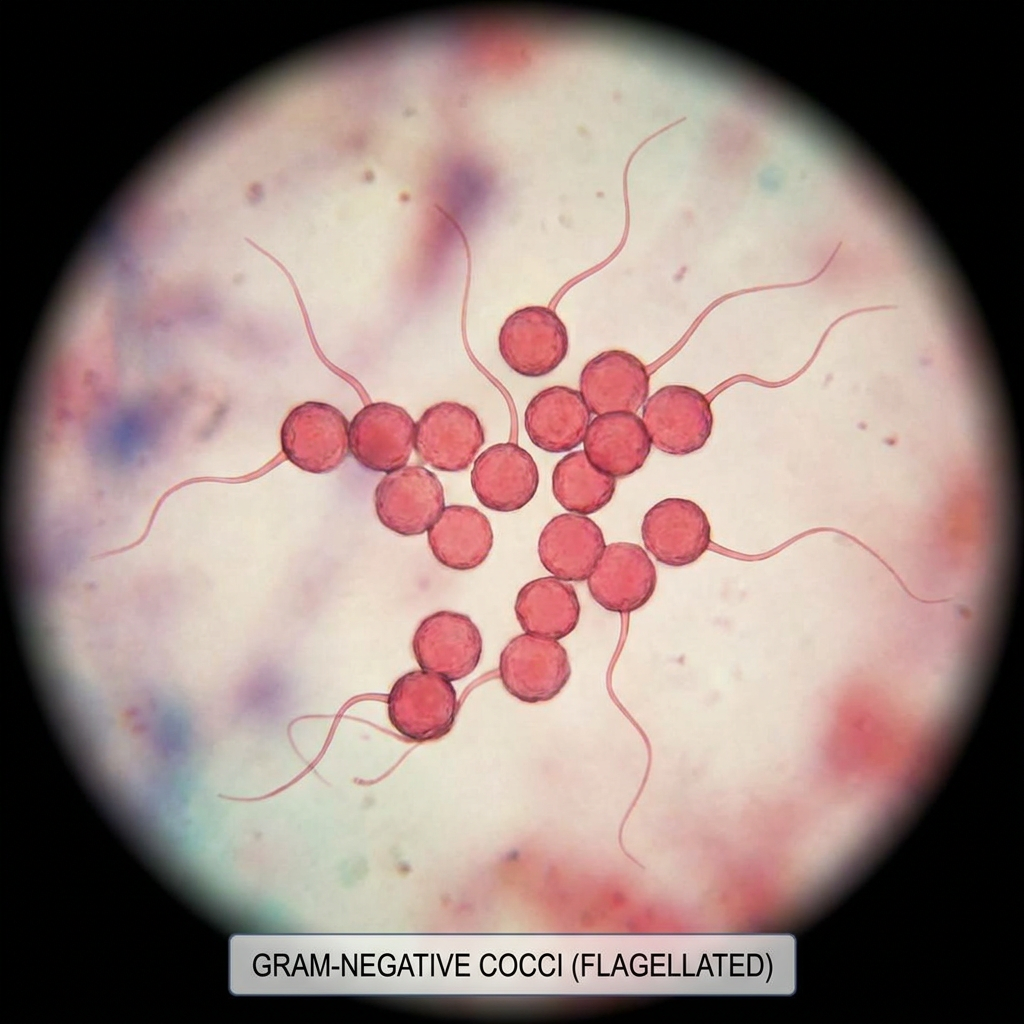
AI-generated image based on bacteria physiology
| Ecology, Host, and Life Cycle | |
|---|---|
| Oxygen requirements | Anaerobic |
| Optimal temperature | 88 |
| Temperature range | Hyperthermophilic |
| Habitat | Multiple |
| Biotic relationship | Free living |
| Host(s) | Not Available |
| Cell arrangement | Not Available |
| Sporulation | Nonsporulating |
| Energy source | Chemoheterotroph |
| Pathogenicity | Not Available |
Gene Summary
Adenine Count
700050 bp
Thymine Count
689192 bp
Guanine Count
505638 bp
Cytosine Count
493647 bp
Genome Length
2388527 bp
Protein-coding Genes
2629 genes
Non-Coding Genes
52 genes
# of Chromosomes/Plasmids
1
Genes
| Name | Locus Tag | UniProt ID | Strand Orientation | Gene Start/End | Protein Molecular Weight |
|---|---|---|---|---|---|
| imidazole glycerol phosphate synthase subunit hish | TBCH5v1_RS02375 | Not Available | Negative | 399644 - 400234 | 21696.2 |
| hypothetical protein | TBCH5v1_RS02380 | Not Available | Negative | 400234 - 400413 | 6789.94 |
| imidazoleglycerol-phosphate dehydratase hisb | TBCH5v1_RS02385 | Not Available | Negative | 400414 - 400944 | 19798.2 |
| histidinol dehydrogenase | TBCH5v1_RS02390 | Not Available | Negative | 400941 - 402074 | 42251.5 |
| atp phosphoribosyltransferase | TBCH5v1_RS02395 | Not Available | Negative | 402064 - 402681 | 22946.3 |
| atp phosphoribosyltransferase regulatory subunit | TBCH5v1_RS02400 | Not Available | Negative | 402678 - 403568 | 34328.6 |
| n-glycosylase/dna lyase | TBCH5v1_RS02405 | Not Available | Negative | 403838 - 404626 | 30626.2 |
| beta-ribofuranosylaminobenzene 5'-phosphate synthase family protein | TBCH5v1_RS02410 | Not Available | Negative | 404629 - 405600 | 36390.5 |
| alpha/beta fold hydrolase | TBCH5v1_RS02415 | Not Available | Positive | 405705 - 406514 | 30582.5 |
| dihydropteroate synthase | TBCH5v1_RS02420 | Not Available | Positive | 406529 - 407356 | 30440.0 |
Pathways
0 pathways
No pathways found
No metabolic pathways have been associated with this bacterium yet.
Health Effects
No health effects information available for this bacterium.