
Veillonella atypica

Gram-negativeCoccusAnaerobe

Kingdom

Bacillati

Phylum

Bacillota

Class

Negativicutes

Order

Veillonellales

Family

Veillonellaceae

Genus

Veillonella

Description

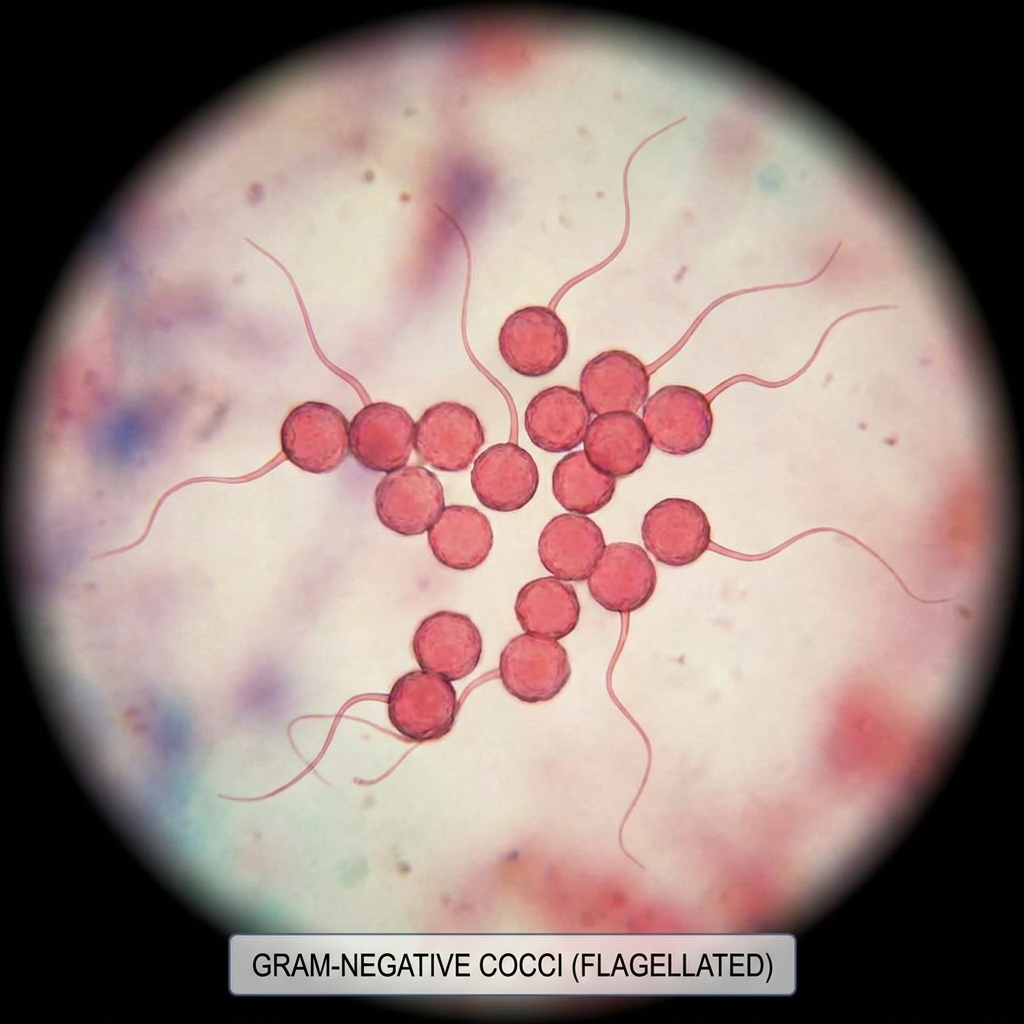
Veillonella atypica is a gram-negative, coccoid-shaped microbe that thrives in temperatures ranging from 25°C to 37°C, placing it in the mesophilic category. This microbe is a chemoheterotroph, meaning it obtains its energy by breaking down organic compounds and using them as its energy source. V. atypica produces energy through fermentation, specifically by converting glucose into lactate and acetate. V. atypica can be found in various body sites, including the oral cavity, respiratory tract, gastrointestinal tract, and female reproductive tract, of multiple species. Its ability to colonize these diverse environments is likely due to its adaptability to different temperatures, pH levels, and oxygen levels. V. atypica is an obligate anaerobe, meaning it cannot survive in the presence of oxygen. This is likely due to the fact that it lacks superoxide dismutase, an enzyme that helps protect against oxygen radicals. In anaerobic environments, V. atypica is able to metabolize carbohydrates and produce energy through fermentation. Despite being an obligate anaerobe, V. atypica has been found to be closely associated with the oral flora of humans, where it coexists with other microorganisms that are capable of producing oxygen. This suggests that V. atypica may have developed mechanisms to survive in environments with low oxygen levels, such as the dental plaque. Veillonella atypica plays a crucial role in the human microbiome, contributing to the breakdown of complex carbohydrates and influencing the composition of oral flora. Additionally, studies have linked V. atypica to the development of dental caries and other oral diseases.

Taxonomy

KingdomBacillati
PhylumBacillota
ClassNegativicutes
OrderVeillonellales
FamilyVeillonellaceae
GenusVeillonella
SpeciesVeillonella atypica
StrainNo strain

Profile

Physiology
Gram staining propertiesNegative
ShapeCoccus
MobilityNot Available
Flagellar presenceYes
Number of membranesNot Available
Ecology, Host, and Life Cycle
Oxygen requirementsAnaerobe
Optimal temperatureNot Available
Temperature rangeNot Available
Habitatoral cavity
Biotic relationshipNot Available
Host(s)Homo sapiens, Mammalia
Cell arrangementNot Available
SporulationNot Available
Energy sourceNot Available
PathogenicityNot Available

Genome Summary

Veillonella atypica strain NCTC11830 genome assembly, contig:

Gene Summary

Adenine Count

641243 bp

Thymine Count

643604 bp

Guanine Count

410590 bp

Cytosine Count

412505 bp

Genome Length

2107942 bp

Protein-coding Genes

1957 genes

Non-Coding Genes

59 genes

# of Chromosomes/Plasmids

1

Genes

NameLocus TagUniProt IDStrand OrientationGene Start/EndProtein Molecular Weight
dna replication protein dnacNCTC11830_00011Not AvailablePositive8419 - 899121907.4
p.93NCTC11830_00012Not AvailablePositive9679 - 1055130866.6
endo-beta-mannanaseNCTC11830_00013Not AvailablePositive10994 - 1237050882.0
uncharacterised proteinNCTC11830_00014Not AvailablePositive12697 - 127983613.73
uncharacterised proteinNCTC11830_00015Not AvailablePositive13337 - 1399323657.1
beta-hexosaminidase a precursorNCTC11830_00016Not AvailablePositive14309 - 1545442086.7
predicted atpase (aaa+ superfamily)NCTC11830_00017Not AvailablePositive15709 - 1673438723.9
uncharacterised proteinNCTC11830_00018Not AvailablePositive17008 - 1732212007.8
uncharacterised proteinNCTC11830_00019Not AvailableNegative17537 - 1811522069.4
predicted atpase (aaa+ superfamily)NCTC11830_00020Not AvailableNegative18389 - 1941438723.9

Displaying genes 11 – 20 of 2016 in total

Pathways

22 pathways

No pathways found

No metabolic pathways have been associated with this bacterium yet.
Metabolites

95 records
Metabolite IDMetabolite nameStructureCAS number
BASm0000377(S)-malateC4H4O5Chemical structure of (S)-malateNot available
Average132.0716Da
Monoisotopic132.005873238Da
BASm00055001-octadecanoyl-sn-glycero-3-phosphateC21H41O7PChemical structure of 1-octadecanoyl-sn-glycero-3-phosphateNot available
Average436.5198Da
Monoisotopic436.2589902Da
BASm0014033AmmoniaH3NChemical structure of Ammonia7664-41-7
Average17.0305Da
Monoisotopic17.026549101Da
BASm0014037Fumaric acidC4H4O4Chemical structure of Fumaric acid110-17-8
Average116.0722Da
Monoisotopic116.010958616Da
BASm0014041Oleic acidC18H34O2Chemical structure of Oleic acid112-80-1
Average282.4614Da
Monoisotopic282.255880332Da
BASm0014058Myristic acidC14H28O2Chemical structure of Myristic acid544-63-8
Average228.3709Da
Monoisotopic228.20893014Da
BASm0014182Vaccenic acidC18H34O2Chemical structure of Vaccenic acidNULL
Average282.468Da
Monoisotopic282.255880335Da
BASm0014219Palmitoleic acidC16H30O2Chemical structure of Palmitoleic acidNULL
Average254.4082Da
Monoisotopic254.224580204Da
BASm0014222DiethanolamineC4H11NO2Chemical structure of DiethanolamineNULL
Average105.1356Da
Monoisotopic105.078978601Da
BASm00143481-Methyl-beta-carboline-3-carboxylic acidC13H10N2O2Chemical structure of 1-Methyl-beta-carboline-3-carboxylic acidNULL
Average226.235Da
Monoisotopic226.07422757Da

Displaying 1–10 of 95 metabolites

Health Effects

Health ConditionRelationReference
Pulmonary infectionCausesPMC7324755

Displaying health effects 1 – 1 of 1 in total