Kingdom
Bacillati
Phylum
Bacillota
Class
Bacilli
Order
Lactobacillales
Family
Streptococcaceae
Genus
Streptococcus
Description
Taxonomy
| Kingdom | Bacillati |
|---|---|
| Phylum | Bacillota |
| Class | Bacilli |
| Order | Lactobacillales |
| Family | Streptococcaceae |
| Genus | Streptococcus |
| Species | Streptococcus salivarius |
| Strain | No strain |
Profile
| Physiology | |
|---|---|
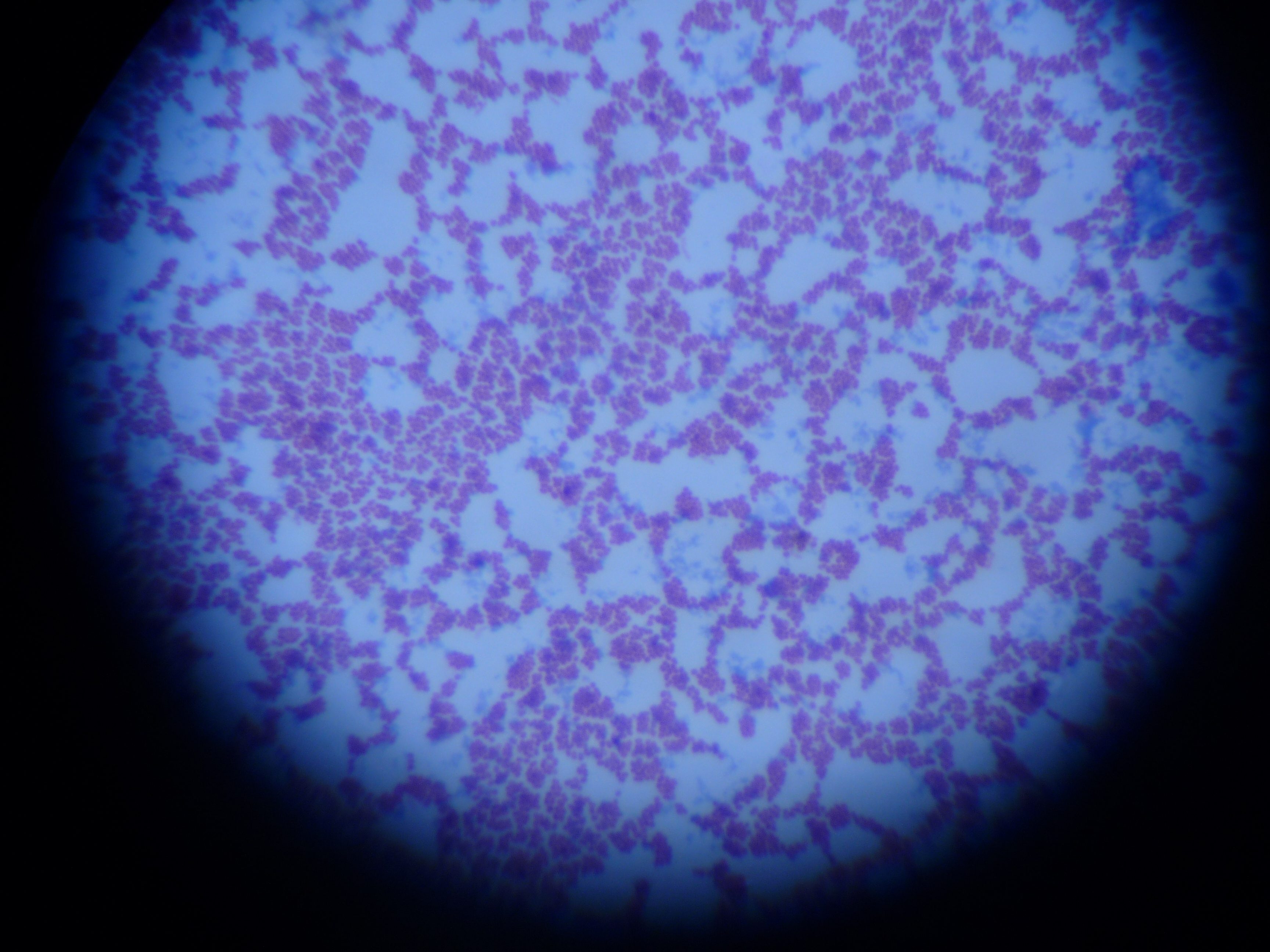
| Gram staining properties | Positive |
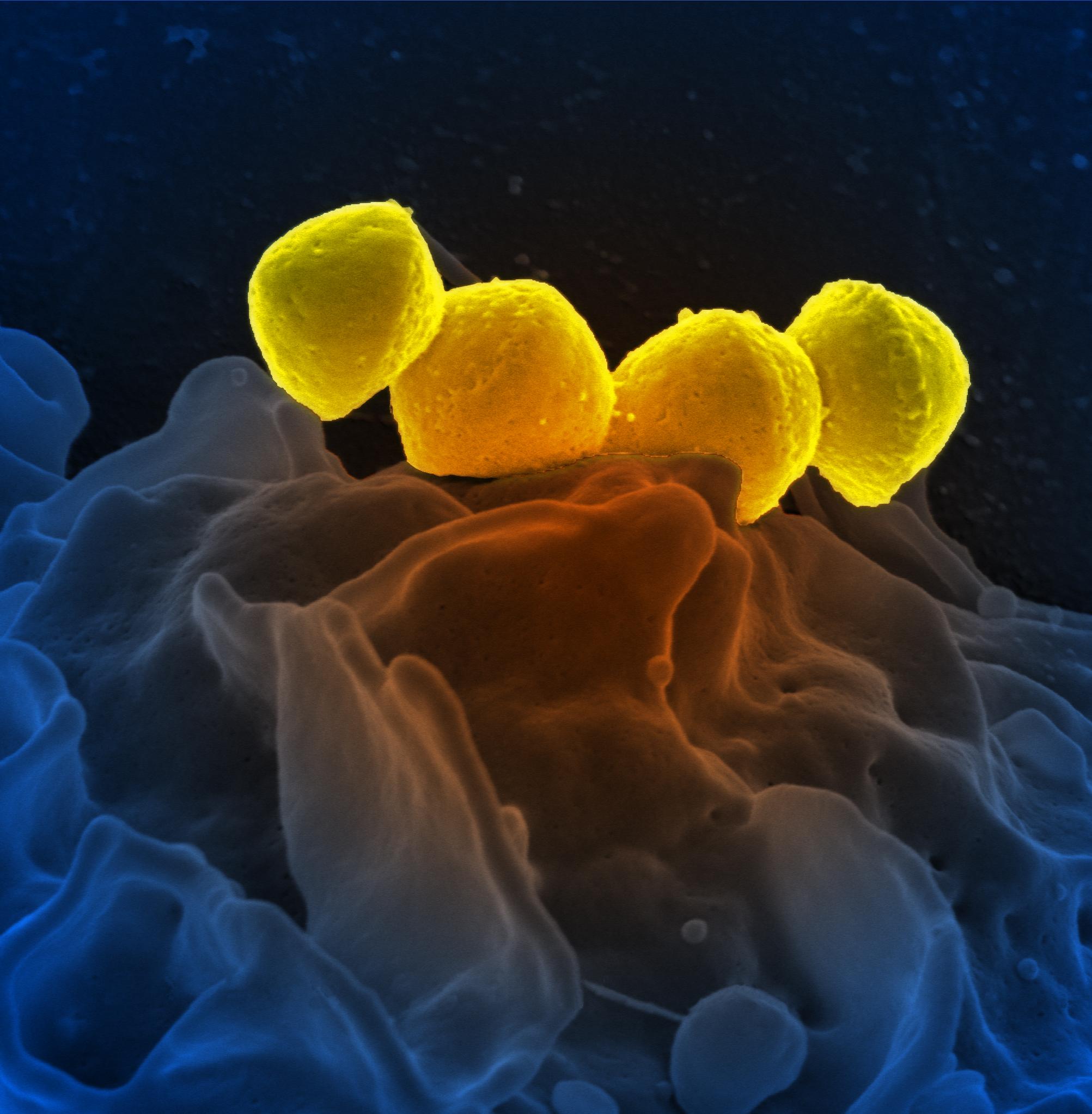
| Shape | Cocci |
| Mobility | No |
| Flagellar presence | Yes |
| Number of membranes | Not Available |
Image source: Wikipedia/Wikimedia
| Ecology, Host, and Life Cycle | |
|---|---|
| Oxygen requirements | Facultative anaerobe |
| Optimal temperature | Not Available |
| Temperature range | Mesophilic |
| Habitat | HostAssociated |
| Biotic relationship | Free living |
| Host(s) | Homo sapiens |
| Cell arrangement | Chains-Pairs |
| Sporulation | Nonsporulating |
| Energy source | Not Available |
| Pathogenicity | Human |
Genome Summary
Streptococcus salivarius strain AF24-6AC AF24-6AC.Scaf31, whole
Gene Summary
Adenine Count
674854 bp
Thymine Count
671441 bp
Guanine Count
422854 bp
Cytosine Count
462925 bp
Genome Length
2232352 bp
Protein-coding Genes
1968 genes
Non-Coding Genes
57 genes
# of Chromosomes/Plasmids
4
Genes
| Name | Locus Tag | UniProt ID | Strand Orientation | Gene Start/End | Protein Molecular Weight |
|---|---|---|---|---|---|
| 50s ribosomal protein l14 | CYK23_09540 | Not Available | Negative | 1887748 - 1888116 | 13050.0 |
| 30s ribosomal protein s17 | CYK23_09545 | Not Available | Negative | 1888142 - 1888402 | 10011.3 |
| 50s ribosomal protein l29 | CYK23_09550 | Not Available | Negative | 1888426 - 1888632 | 7971.76 |
| 50s ribosomal protein l16 | CYK23_09555 | Not Available | Negative | 1888642 - 1889055 | 15423.1 |
| 30s ribosomal protein s3 | CYK23_09560 | Not Available | Negative | 1889059 - 1889712 | 24135.2 |
| 50s ribosomal protein l22 | CYK23_09565 | Not Available | Negative | 1889725 - 1890069 | 12271.0 |
| 30s ribosomal protein s19 | CYK23_09570 | Not Available | Negative | 1890081 - 1890362 | 10751.0 |
| 50s ribosomal protein l2 | CYK23_09575 | Not Available | Negative | 1890448 - 1891281 | 29927.4 |
| 50s ribosomal protein l23 | CYK23_09580 | Not Available | Negative | 1891299 - 1891595 | 10836.2 |
| 50s ribosomal protein l4 | CYK23_09585 | Not Available | Negative | 1891595 - 1892218 | 22279.9 |
Pathways
1154 pathways
Health Effects
| Health Condition | Relation | Reference |
|---|---|---|
| Pneumonia | Causes | PMC11536889 |
| Bacteremia | Causes | PMC11536889 |
| Endocarditis | Causes | PMC11536889 |
| Meningitis | Causes | PMC11536889 |
| Peritonitis | Causes | PMC9615012 |