Kingdom
Bacillati
Phylum
Bacillota
Class
Bacilli
Order
Lactobacillales
Family
Streptococcaceae
Genus
Streptococcus
Description
Taxonomy
| Kingdom | Bacillati |
|---|---|
| Phylum | Bacillota |
| Class | Bacilli |
| Order | Lactobacillales |
| Family | Streptococcaceae |
| Genus | Streptococcus |
| Species | Streptococcus salivarius |
| Strain | No strain |
Profile
| Physiology | |
|---|---|
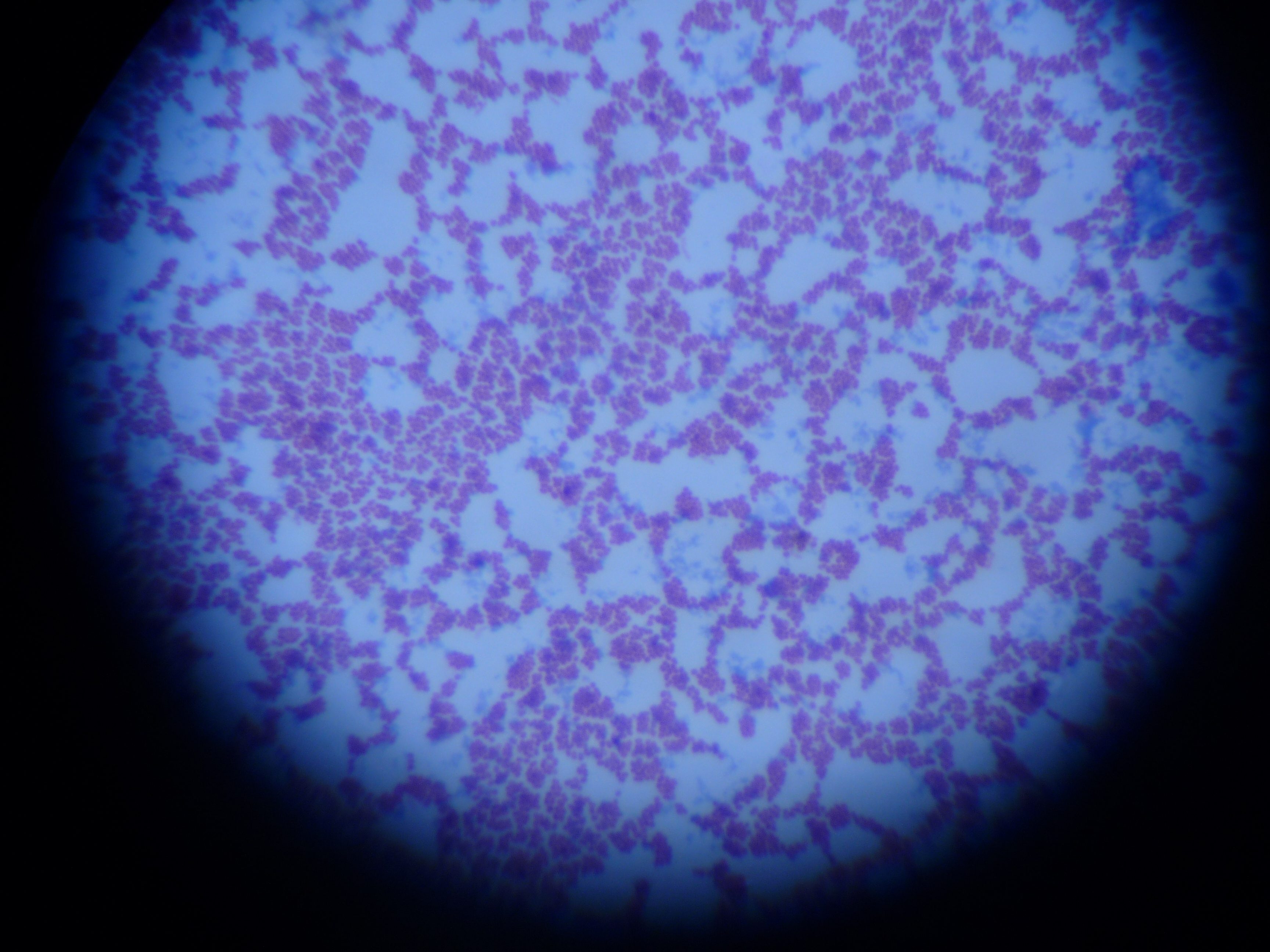
| Gram staining properties | Positive |
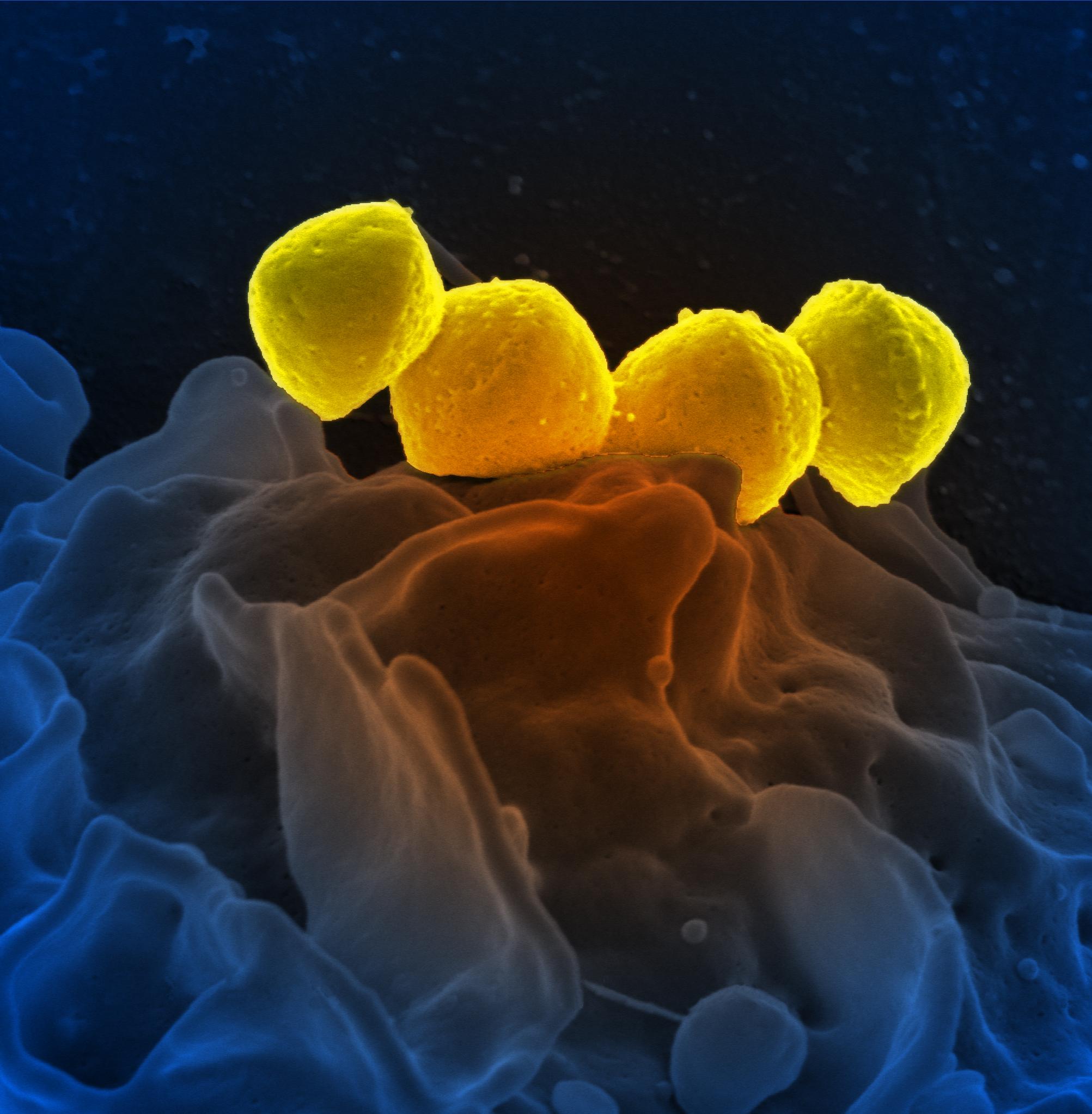
| Shape | Cocci |
| Mobility | No |
| Flagellar presence | Yes |
| Number of membranes | Not Available |
Image source: Wikipedia/Wikimedia
| Ecology, Host, and Life Cycle | |
|---|---|
| Oxygen requirements | Facultative anaerobe |
| Optimal temperature | Not Available |
| Temperature range | Mesophilic |
| Habitat | HostAssociated |
| Biotic relationship | Free living |
| Host(s) | Homo sapiens |
| Cell arrangement | Chains-Pairs |
| Sporulation | Nonsporulating |
| Energy source | Not Available |
| Pathogenicity | Human |
Genome Summary
Streptococcus salivarius strain AF24-6AC AF24-6AC.Scaf31, whole
Gene Summary
Adenine Count
674854 bp
Thymine Count
671441 bp
Guanine Count
422854 bp
Cytosine Count
462925 bp
Genome Length
2232352 bp
Protein-coding Genes
1968 genes
Non-Coding Genes
57 genes
# of Chromosomes/Plasmids
4
Genes
| Name | Locus Tag | UniProt ID | Strand Orientation | Gene Start/End | Protein Molecular Weight |
|---|---|---|---|---|---|
| molecular chaperone dnaj | DWY30_09025 | Not Available | Negative | 1958964 - 1960097 | 40617.4 |
| 4-methyl-5(b-hydroxyethyl)-thiazole monophosphate biosynthesis protein | DWY30_09030 | Not Available | Negative | 1960265 - 1960897 | 23734.6 |
| molecular chaperone dnak | DWY30_09035 | Not Available | Negative | 1961102 - 1962925 | 64749.4 |
| nucleotide exchange factor grpe | DWY30_09040 | Not Available | Negative | 1963012 - 1963545 | 20337.7 |
| heat-inducible transcriptional repressor hrca | DWY30_09045 | Not Available | Negative | 1963575 - 1964609 | 39323.4 |
| peptidoglycan hydrolase | DWY30_09050 | Not Available | Negative | 1964802 - 1965383 | 21845.1 |
| d-alanyl-d-alanine carboxypeptidase family protein | DWY30_09055 | Not Available | Negative | 1965380 - 1966177 | 29382.6 |
| histidine phosphatase family protein | DWY30_09060 | Not Available | Negative | 1966164 - 1966868 | 25868.7 |
| pfl family protein | DWY30_09065 | Not Available | Negative | 1966984 - 1968321 | 46328.2 |
| act domain-containing protein | DWY30_09070 | Not Available | Negative | 1968339 - 1968605 | 9513.48 |
Pathways
1154 pathways
Health Effects
| Health Condition | Relation | Reference |
|---|---|---|
| Pneumonia | Causes | PMC11536889 |
| Bacteremia | Causes | PMC11536889 |
| Endocarditis | Causes | PMC11536889 |
| Meningitis | Causes | PMC11536889 |
| Peritonitis | Causes | PMC9615012 |