Kingdom
Bacillati
Phylum
Bacillota
Class
Bacilli
Order
Lactobacillales
Family
Streptococcaceae
Genus
Streptococcus
Description
Taxonomy
| Kingdom | Bacillati |
|---|---|
| Phylum | Bacillota |
| Class | Bacilli |
| Order | Lactobacillales |
| Family | Streptococcaceae |
| Genus | Streptococcus |
| Species | Streptococcus salivarius |
| Strain | No strain |
Profile
| Physiology | |
|---|---|
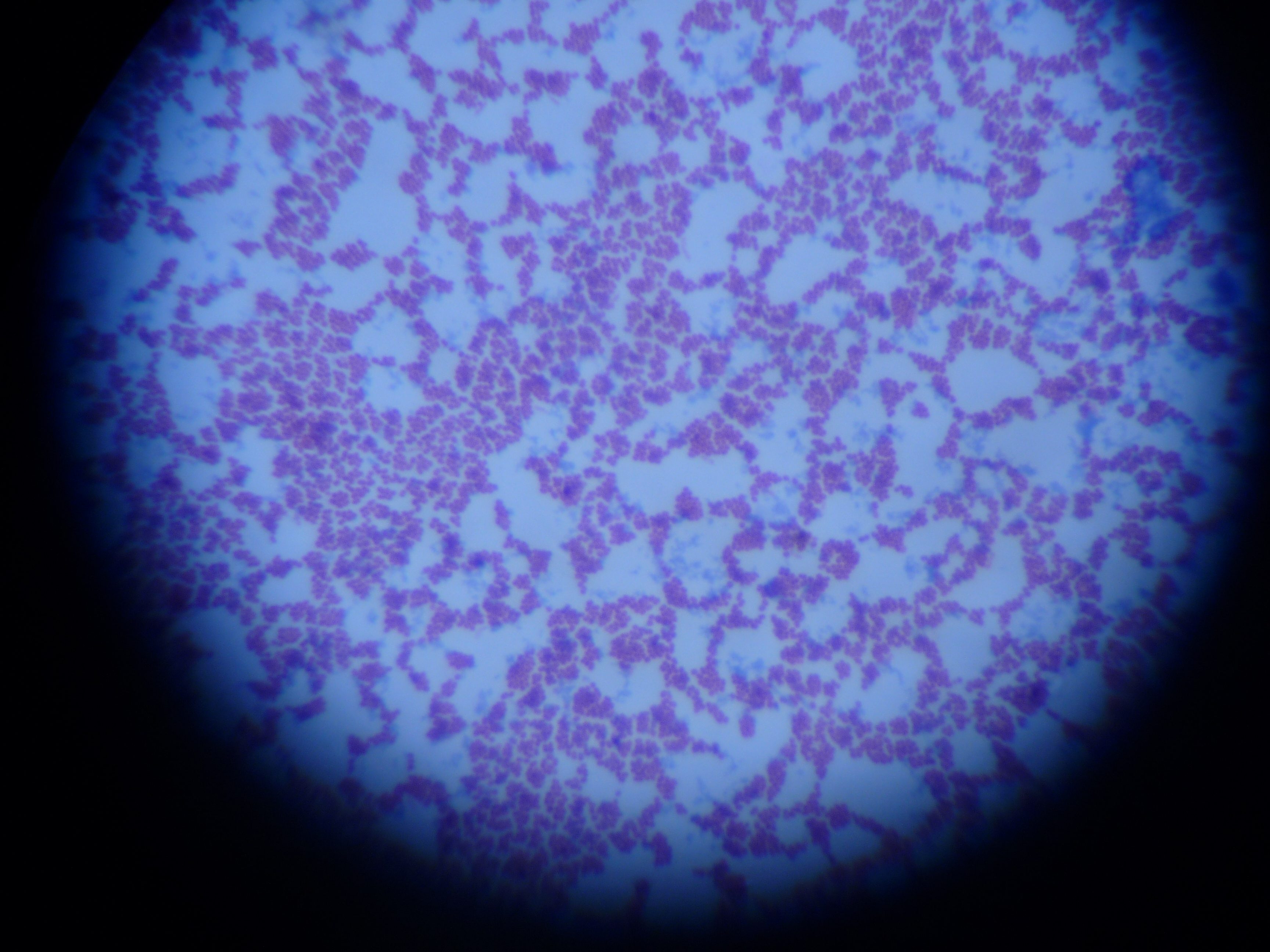
| Gram staining properties | Positive |
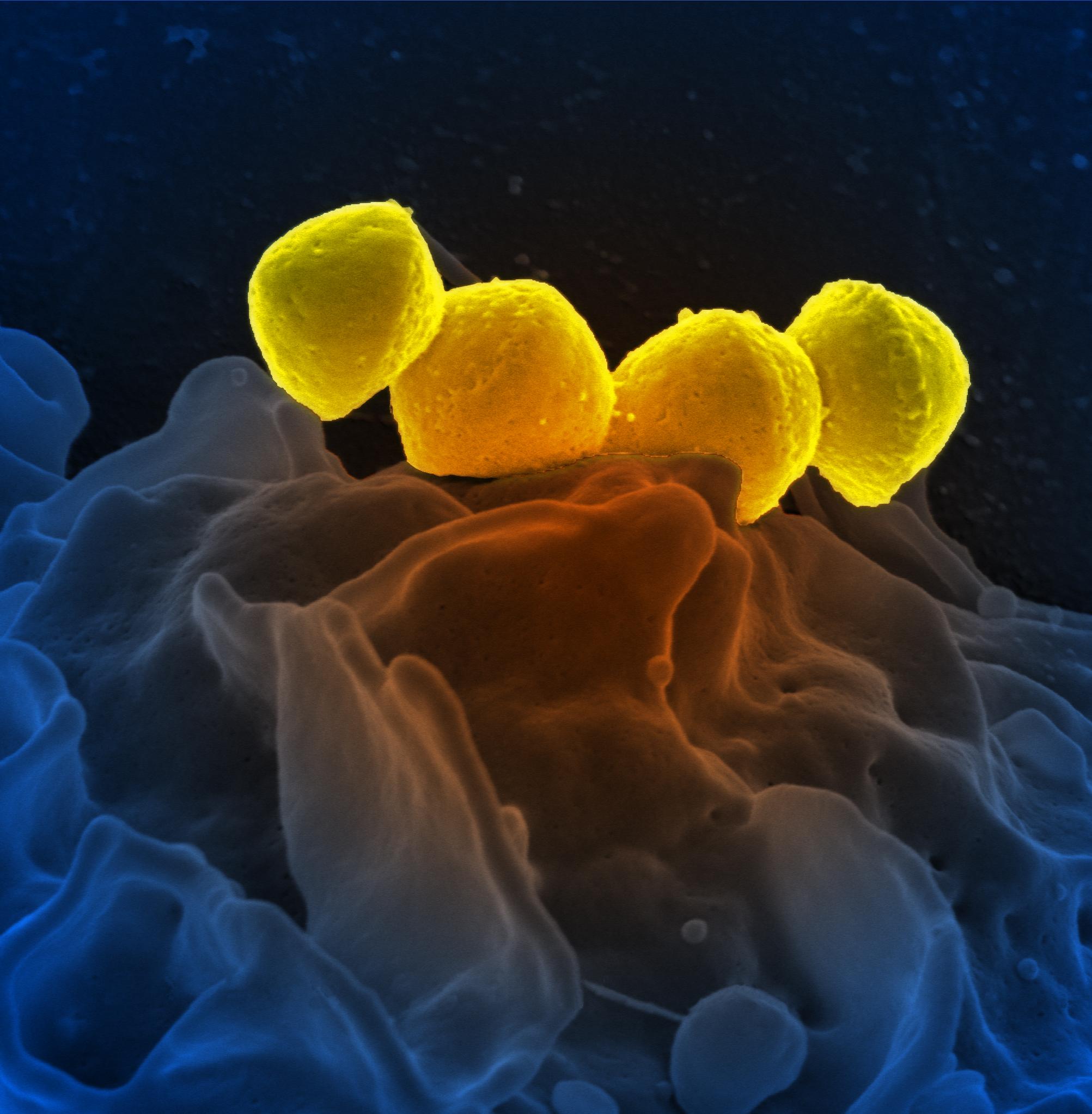
| Shape | Cocci |
| Mobility | No |
| Flagellar presence | Yes |
| Number of membranes | Not Available |
Image source: Wikipedia/Wikimedia
| Ecology, Host, and Life Cycle | |
|---|---|
| Oxygen requirements | Facultative anaerobe |
| Optimal temperature | Not Available |
| Temperature range | Mesophilic |
| Habitat | HostAssociated |
| Biotic relationship | Free living |
| Host(s) | Homo sapiens |
| Cell arrangement | Chains-Pairs |
| Sporulation | Nonsporulating |
| Energy source | Not Available |
| Pathogenicity | Human |
Genome Summary
Streptococcus salivarius strain AF24-6AC AF24-6AC.Scaf31, whole
Gene Summary
Adenine Count
674854 bp
Thymine Count
671441 bp
Guanine Count
422854 bp
Cytosine Count
462925 bp
Genome Length
2232352 bp
Protein-coding Genes
1968 genes
Non-Coding Genes
57 genes
# of Chromosomes/Plasmids
4
Genes
| Name | Locus Tag | UniProt ID | Strand Orientation | Gene Start/End | Protein Molecular Weight |
|---|---|---|---|---|---|
| purine-nucleoside phosphorylase | DWY30_06985 | Not Available | Negative | 1477073 - 1477882 | 28691.6 |
| duf1697 domain-containing protein | DWY30_06990 | Not Available | Negative | 1477901 - 1478446 | 21658.3 |
| phosphopentomutase | DWY30_06995 | Not Available | Negative | 1478448 - 1479659 | 44317.4 |
| ribose-5-phosphate isomerase rpia | DWY30_07000 | Not Available | Negative | 1479780 - 1480460 | 24351.4 |
| ysirk-type signal peptide-containing protein | DWY30_07005 | Not Available | Negative | 1480620 - 1483724 | 112330.0 |
| ysirk-type signal peptide-containing protein | DWY30_07010 | Not Available | Negative | 1484186 - 1487974 | 136298.0 |
| uracil-dna glycosylase family protein | DWY30_07015 | Not Available | Negative | 1488348 - 1488932 | 22259.6 |
| dipeptidase pepv | DWY30_07020 | Not Available | Negative | 1488973 - 1490379 | 51808.8 |
| tautomerase | DWY30_07025 | Not Available | Positive | 1490740 - 1490925 | 7076.57 |
| duf2798 domain-containing protein | DWY30_07030 | Not Available | Negative | 1490996 - 1491517 | 19359.4 |
Pathways
1154 pathways
Health Effects
| Health Condition | Relation | Reference |
|---|---|---|
| Pneumonia | Causes | PMC11536889 |
| Bacteremia | Causes | PMC11536889 |
| Endocarditis | Causes | PMC11536889 |
| Meningitis | Causes | PMC11536889 |
| Peritonitis | Causes | PMC9615012 |