Kingdom
Pseudomonadati
Phylum
Pseudomonadota
Class
Gammaproteobacteria
Order
Vibrionales
Family
Vibrionaceae
Genus
Photobacterium
Description
Taxonomy
| Kingdom | Pseudomonadati |
|---|---|
| Phylum | Pseudomonadota |
| Class | Gammaproteobacteria |
| Order | Vibrionales |
| Family | Vibrionaceae |
| Genus | Photobacterium |
| Species | Photobacterium angustum |
| Strain | No strain |
Profile
| Physiology | |
|---|---|
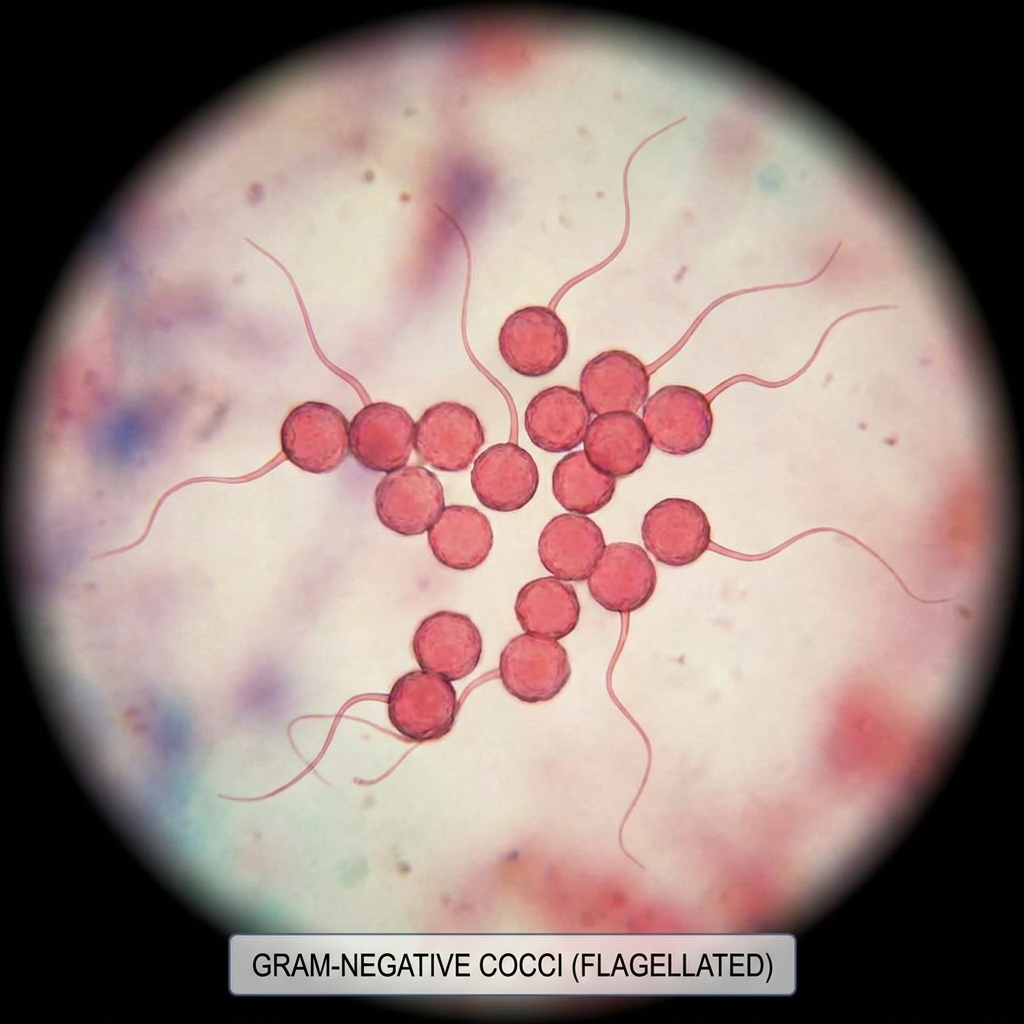
| Gram staining properties | Negative |
| Shape | Not Available |
| Mobility | Not Available |
| Flagellar presence | Yes |
| Number of membranes | Not Available |
| Ecology, Host, and Life Cycle | |
|---|---|
| Oxygen requirements | aerobic |
| Optimal temperature | Not Available |
| Temperature range | Not Available |
| Habitat | Botany Bay; Marine; sea; surface coastal waters; surface coastal waters in Botany Bay (Sydney), Australia |
| Biotic relationship | Not Available |
| Host(s) | Not Available |
| Cell arrangement | Not Available |
| Sporulation | Not Available |
| Energy source | Not Available |
| Pathogenicity | Not Available |
Gene Summary
Adenine Count
1454850 bp
Thymine Count
1430419 bp
Guanine Count
919404 bp
Cytosine Count
979503 bp
Genome Length
4784176 bp
Protein-coding Genes
4154 genes
Non-Coding Genes
149 genes
# of Chromosomes/Plasmids
1
Genes
| Name | Locus Tag | UniProt ID | Strand Orientation | Gene Start/End | Protein Molecular Weight |
|---|---|---|---|---|---|
| fis family transcriptional regulator | CTM95_18065 | Not Available | Positive | 4012510 - 4012806 | 11112.4 |
| methyl-accepting chemotaxis protein | CTM95_18070 | Not Available | Negative | 4012919 - 4014556 | 59464.7 |
| pyridoxal phosphate-dependent aminotransferase | CTM95_18075 | Not Available | Negative | 4014861 - 4016039 | 44172.6 |
| pts maltose transporter subunit iicb | CTM95_18080 | Not Available | Negative | 4016111 - 4017691 | 55993.4 |
| mal regulon transcriptional regulator mali | CTM95_18085 | Not Available | Positive | 4017978 - 4019003 | 36979.3 |
| pyrimidine/purine nucleoside phosphorylase | CTM95_18090 | Not Available | Negative | 4019075 - 4019356 | 10128.9 |
| hypothetical protein | CTM95_18095 | Not Available | Positive | 4019538 - 4019741 | 7173.48 |
| zn(2+)-responsive transcriptional regulator | CTM95_18100 | Not Available | Negative | 4019752 - 4020219 | 17455.0 |
| bifunctional phosphoribosylaminoimidazolecarboxamide formyltransferase/imp cyclohydrolase | CTM95_18105 | Not Available | Positive | 4020455 - 4022047 | 57146.8 |
| phosphoribosylamine--glycine ligase | CTM95_18110 | Not Available | Positive | 4022155 - 4023444 | 45727.6 |
Pathways
0 pathways
No pathways found
No metabolic pathways have been associated with this bacterium yet.
Health Effects
No health effects information available for this bacterium.