Kingdom
Pseudomonadati
Phylum
Pseudomonadota
Class
Gammaproteobacteria
Order
Enterobacterales
Family
Yersiniaceae
Genus
Yersinia
Description
Taxonomy
| Kingdom | Pseudomonadati |
|---|---|
| Phylum | Pseudomonadota |
| Class | Gammaproteobacteria |
| Order | Enterobacterales |
| Family | Yersiniaceae |
| Genus | Yersinia |
| Species | Yersinia pestis |
| Strain | No strain |
Profile
| Physiology | |
|---|---|
| Gram staining properties | Negative |
| Shape | Rod |
| Mobility | Yes |
| Flagellar presence | Yes |
| Number of membranes | 2 |

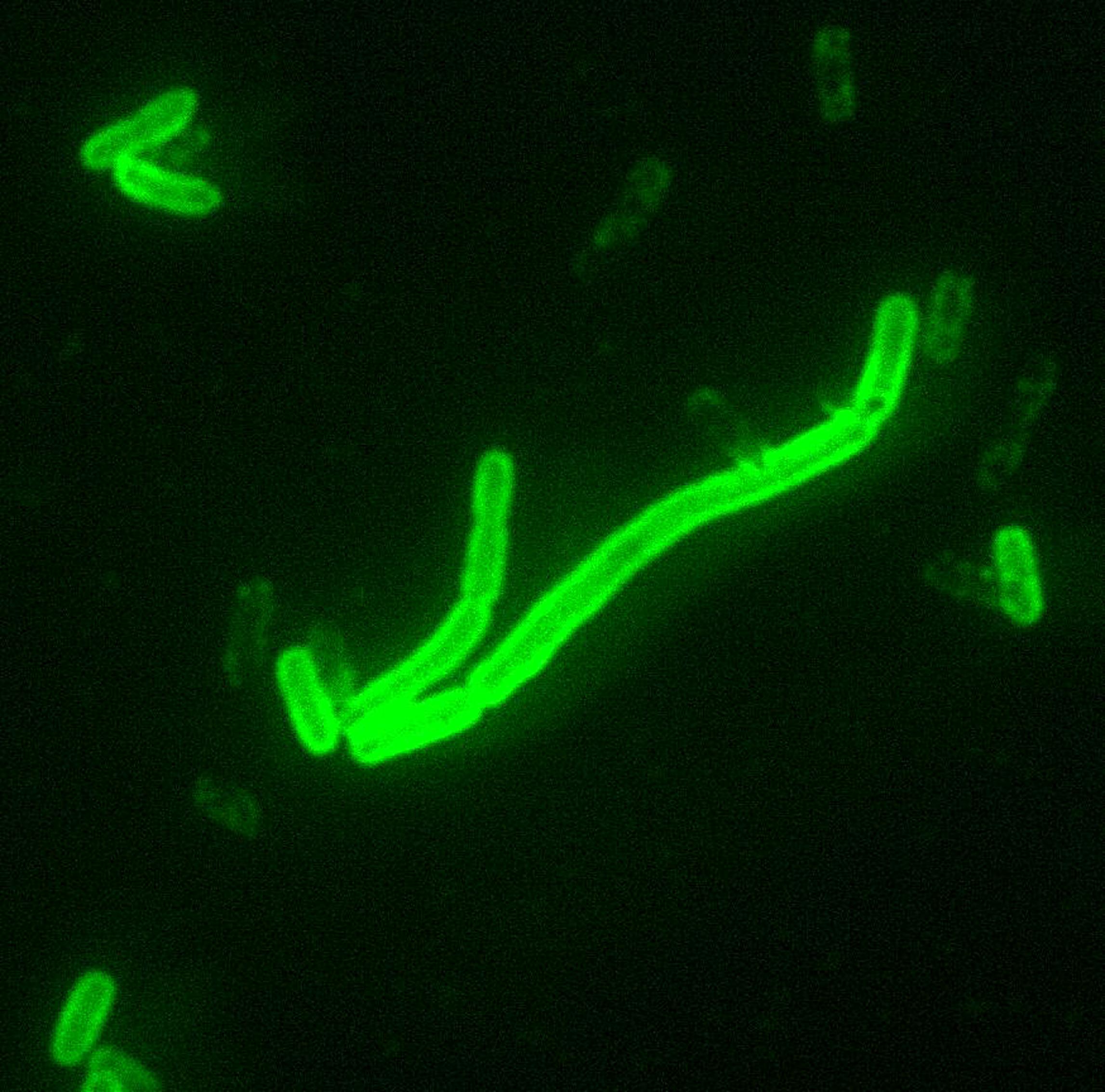
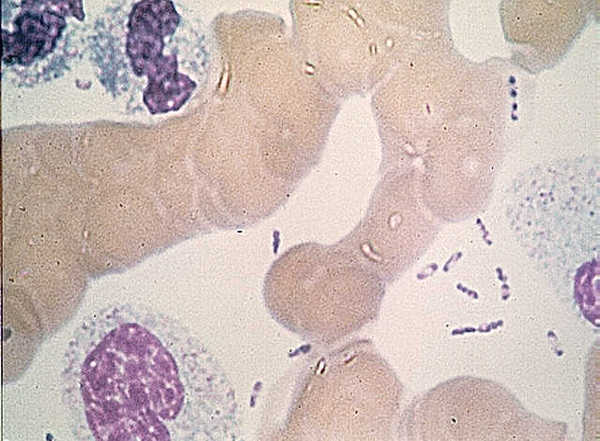
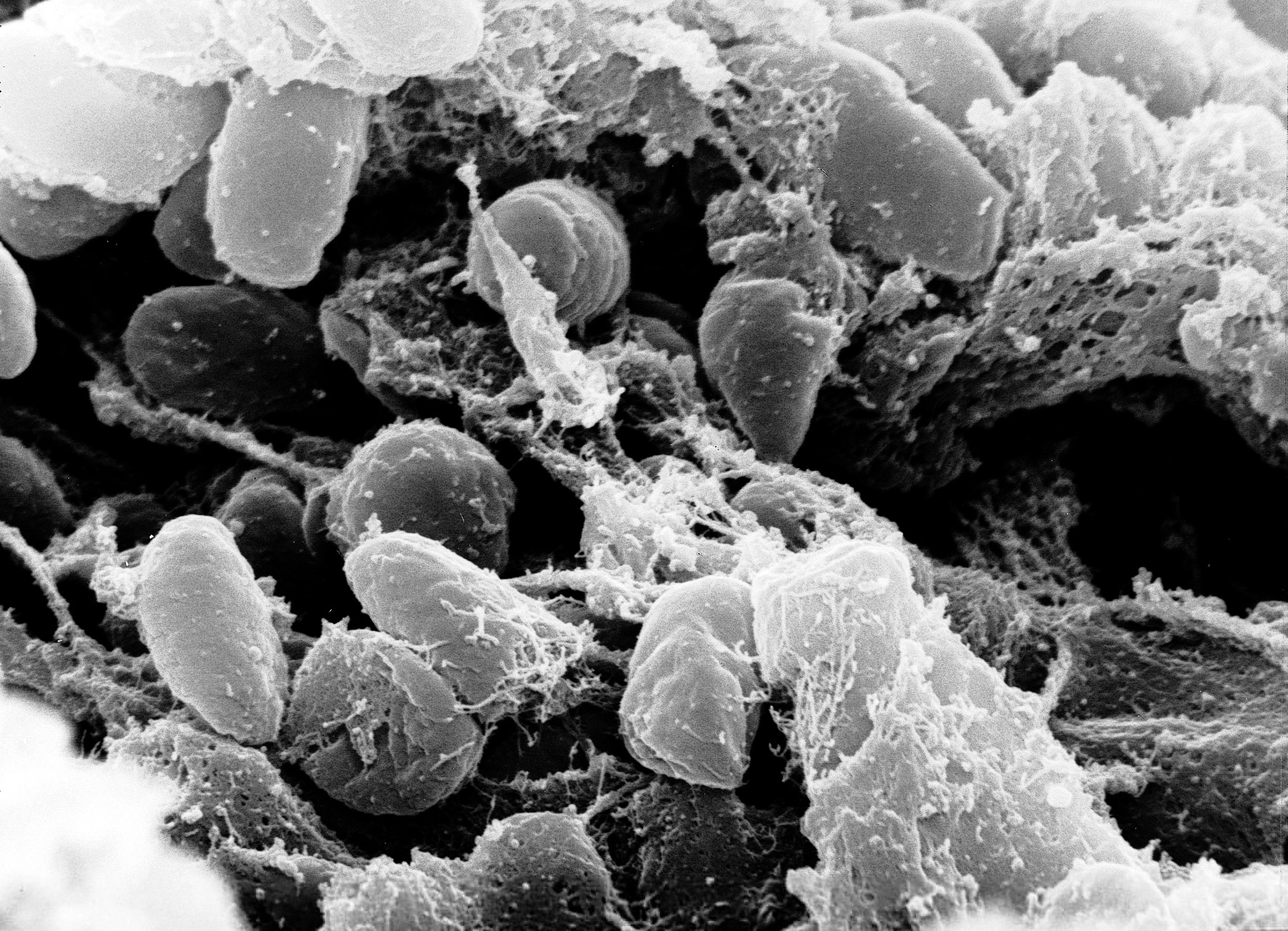
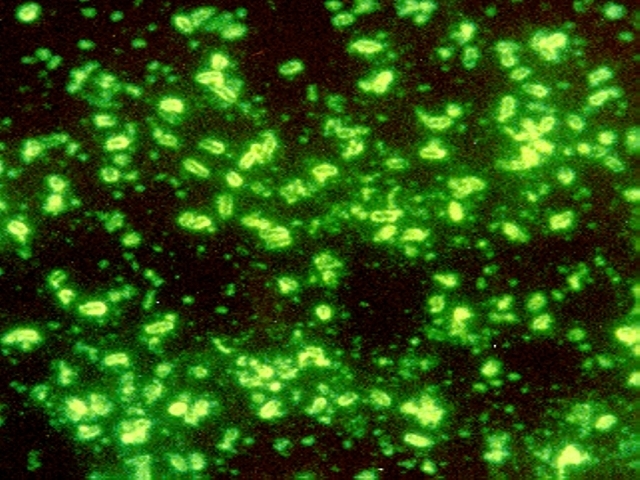
Image source: Wikipedia/Wikimedia
| Ecology, Host, and Life Cycle | |
|---|---|
| Oxygen requirements | Facultative anaerobe |
| Optimal temperature | 28 |
| Temperature range | Mesophilic |
| Habitat | Multiple |
| Biotic relationship | Free living |
| Host(s) | Homo sapiens, Siphonaptera, Metazoa |
| Cell arrangement | Singles |
| Sporulation | Not Available |
| Energy source | Heterotroph |
| Pathogenicity | Not Available |
Gene Summary
Adenine Count
Not Available
Thymine Count
Not Available
Guanine Count
Not Available
Cytosine Count
Not Available
Genome Length
Not Available
Protein-coding Genes
3661 genes
Non-Coding Genes
188 genes
# of Chromosomes/Plasmids
4
Genes
| Name | Locus Tag | UniProt ID | Strand Orientation | Gene Start/End | Protein Molecular Weight |
|---|---|---|---|---|---|
| putative lipoprotein | NCTC144_00850 | Not Available | Negative | 881419 - 882075 | 22766.2 |
| putative lipoprotein | NCTC144_00851 | Not Available | Negative | 882072 - 882428 | 13106.9 |
| curli production assembly/transport component csgg | NCTC144_00852 | Not Available | Negative | 882455 - 883126 | 24166.6 |
| antitoxin hicb | NCTC144_00853 | Not Available | Positive | 883716 - 884147 | 16000.1 |
| cytochrome | NCTC144_00854 | Not Available | Negative | 884242 - 884766 | 20518.6 |
| aminotransferase | NCTC144_00855 | Not Available | Negative | 885030 - 886265 | 45845.3 |
| protein of uncharacterised function (duf1479) | NCTC144_00856 | Not Available | Positive | 886531 - 887778 | 46864.1 |
| glucokinase | NCTC144_00857 | Not Available | Negative | 887856 - 888827 | 34665.8 |
| membrane protein | NCTC144_00858 | Not Available | Negative | 889008 - 889484 | 18122.7 |
| putative lysr-family transcriptional regulatory protein | NCTC144_00859 | Not Available | Positive | 889587 - 890465 | 33005.5 |
Pathways
1291 pathways
Health Effects
| Health Condition | Relation | Reference |
|---|---|---|
| Plague | Causes | PMC10229654 |
| Bubonic plague | Causes | PMC10229654 |
| Septicaemic plague | Causes | PMC10229654 |
| Pneumonic plague | Causes | PMC10229654 |
| Justinianic plague | Causes | PMC10229654 |
| Black death | Causes | PMC10229654 |
| Plague | Causes | PMC3047566 |
| Black death | Causes | PMC3216949 |
| Plague | Causes | PMC3216949 |
| Plague | Causes | PMC4644222 |