Kingdom
Pseudomonadati
Phylum
Pseudomonadota
Class
Gammaproteobacteria
Order
Enterobacterales
Family
Yersiniaceae
Genus
Yersinia
Description
Taxonomy
| Kingdom | Pseudomonadati |
|---|---|
| Phylum | Pseudomonadota |
| Class | Gammaproteobacteria |
| Order | Enterobacterales |
| Family | Yersiniaceae |
| Genus | Yersinia |
| Species | Yersinia pestis |
| Strain | No strain |
Profile
| Physiology | |
|---|---|
| Gram staining properties | Negative |
| Shape | Rod |
| Mobility | Yes |
| Flagellar presence | Yes |
| Number of membranes | 2 |

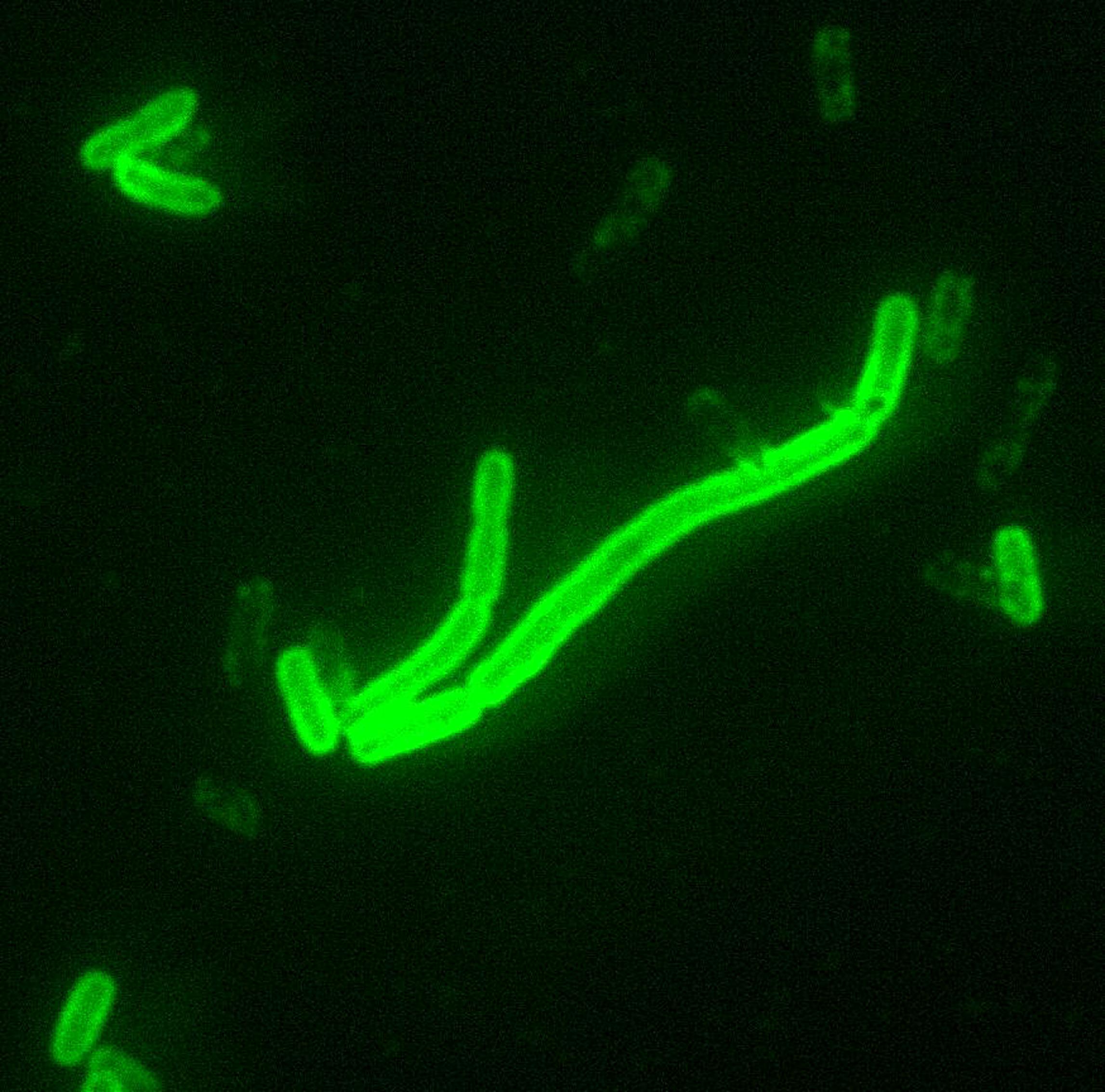
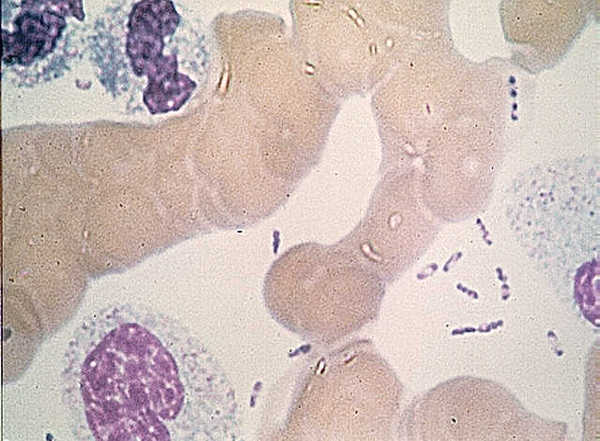
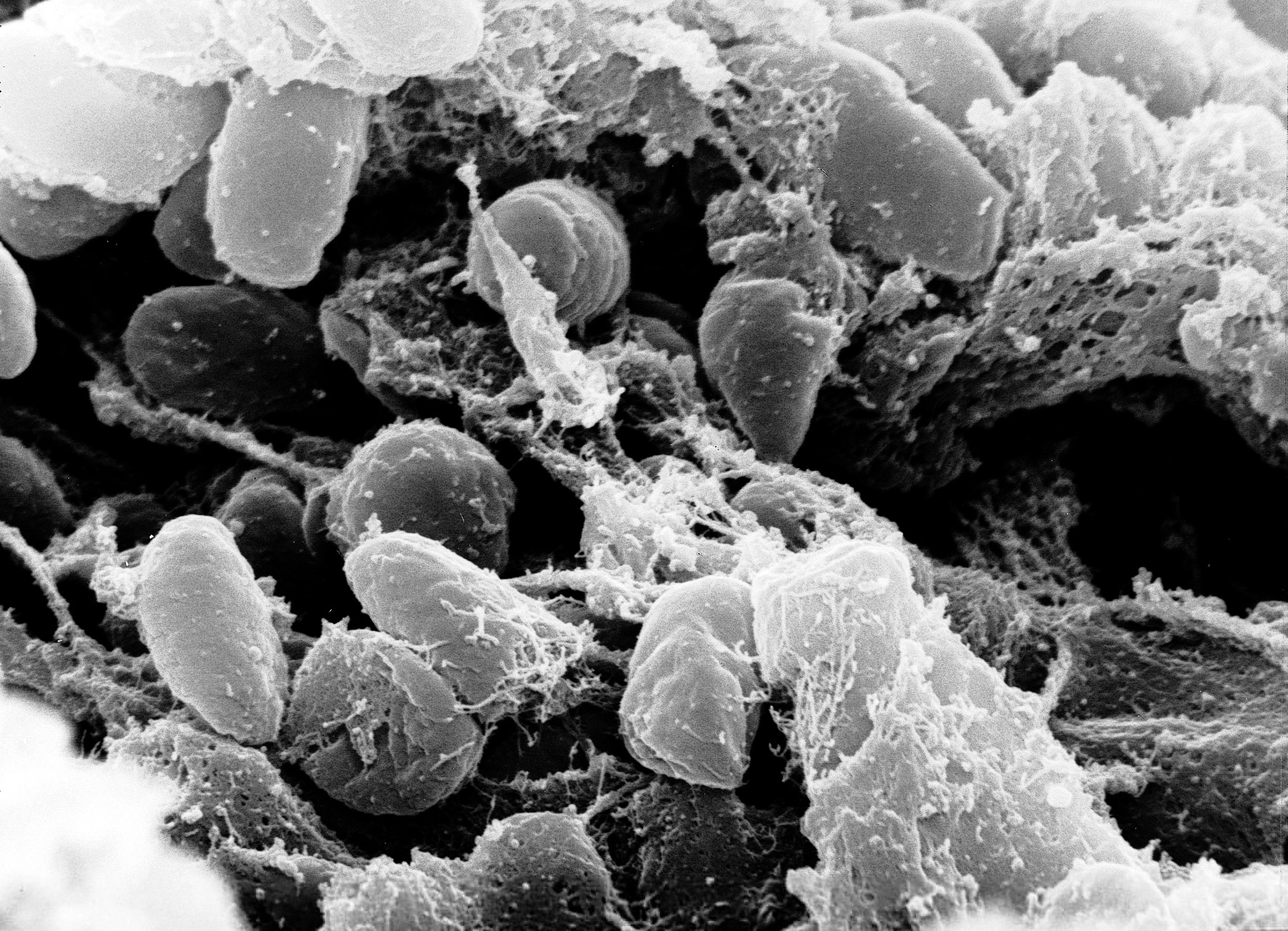
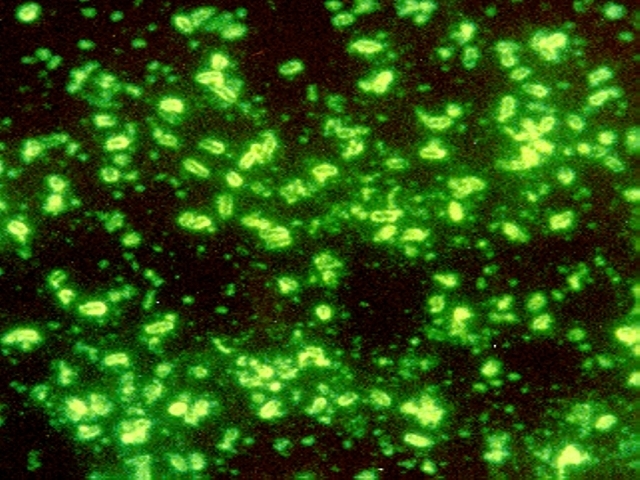
Image source: Wikipedia/Wikimedia
| Ecology, Host, and Life Cycle | |
|---|---|
| Oxygen requirements | Facultative anaerobe |
| Optimal temperature | 28 |
| Temperature range | Mesophilic |
| Habitat | Multiple |
| Biotic relationship | Free living |
| Host(s) | Homo sapiens, Siphonaptera, Metazoa |
| Cell arrangement | Singles |
| Sporulation | Not Available |
| Energy source | Heterotroph |
| Pathogenicity | Not Available |
Gene Summary
Adenine Count
Not Available
Thymine Count
Not Available
Guanine Count
Not Available
Cytosine Count
Not Available
Genome Length
Not Available
Protein-coding Genes
3661 genes
Non-Coding Genes
188 genes
# of Chromosomes/Plasmids
4
Genes
| Name | Locus Tag | UniProt ID | Strand Orientation | Gene Start/End | Protein Molecular Weight |
|---|---|---|---|---|---|
| inner membrane permease of high-affinity phosphate-specific abc transporter | NCTC144_00712 | Not Available | Negative | 722664 - 724376 | 63058.9 |
| phosphate transport system permease | NCTC144_00713 | Not Available | Negative | 724376 - 726607 | 80588.7 |
| polyphosphate kinase | NCTC144_00714 | Not Available | Positive | 726878 - 728941 | 80019.6 |
| exopolyphosphatase | NCTC144_00715 | Not Available | Positive | 728952 - 730511 | 58714.7 |
| putative divalent cation transport protein | NCTC144_00716 | Not Available | Positive | 730887 - 732362 | 54244.6 |
| chaperone | NCTC144_00717 | Not Available | Positive | 732502 - 733854 | 49248.9 |
| abc transporter permease | NCTC144_00718 | Not Available | Negative | 734126 - 734974 | 30746.8 |
| abc transporter permease | NCTC144_00719 | Not Available | Negative | 735036 - 736301 | 46784.3 |
| spermidine/putrescine abc transporter substrate-binding protein | NCTC144_00720 | Not Available | Negative | 736348 - 737376 | 38342.9 |
| 4-aminobutyrate aminotransferase | NCTC144_00721 | Not Available | Negative | 737429 - 738718 | 46165.8 |
Pathways
1291 pathways
Health Effects
| Health Condition | Relation | Reference |
|---|---|---|
| Plague | Causes | PMC10229654 |
| Bubonic plague | Causes | PMC10229654 |
| Septicaemic plague | Causes | PMC10229654 |
| Pneumonic plague | Causes | PMC10229654 |
| Justinianic plague | Causes | PMC10229654 |
| Black death | Causes | PMC10229654 |
| Plague | Causes | PMC3047566 |
| Black death | Causes | PMC3216949 |
| Plague | Causes | PMC3216949 |
| Plague | Causes | PMC4644222 |