Kingdom
Pseudomonadati
Phylum
Pseudomonadota
Class
Gammaproteobacteria
Order
Enterobacterales
Family
Yersiniaceae
Genus
Yersinia
Description
Taxonomy
| Kingdom | Pseudomonadati |
|---|---|
| Phylum | Pseudomonadota |
| Class | Gammaproteobacteria |
| Order | Enterobacterales |
| Family | Yersiniaceae |
| Genus | Yersinia |
| Species | Yersinia pestis |
| Strain | No strain |
Profile
| Physiology | |
|---|---|
| Gram staining properties | Negative |
| Shape | Rod |
| Mobility | Yes |
| Flagellar presence | Yes |
| Number of membranes | 2 |

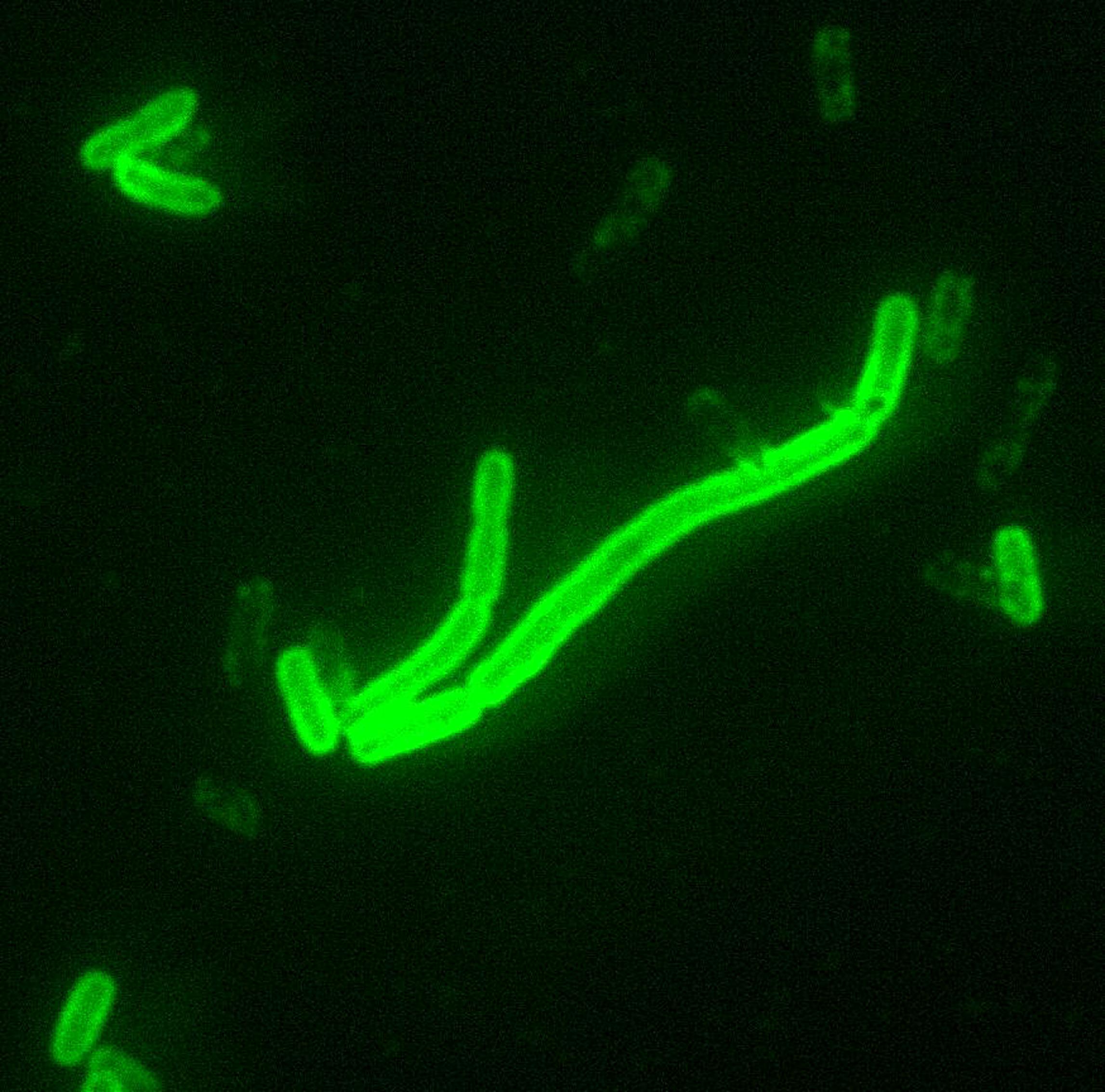
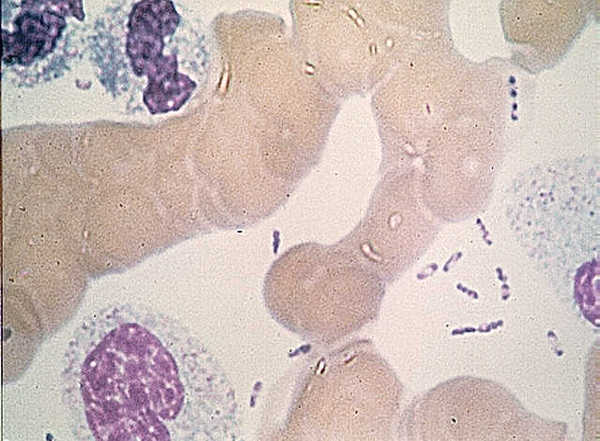
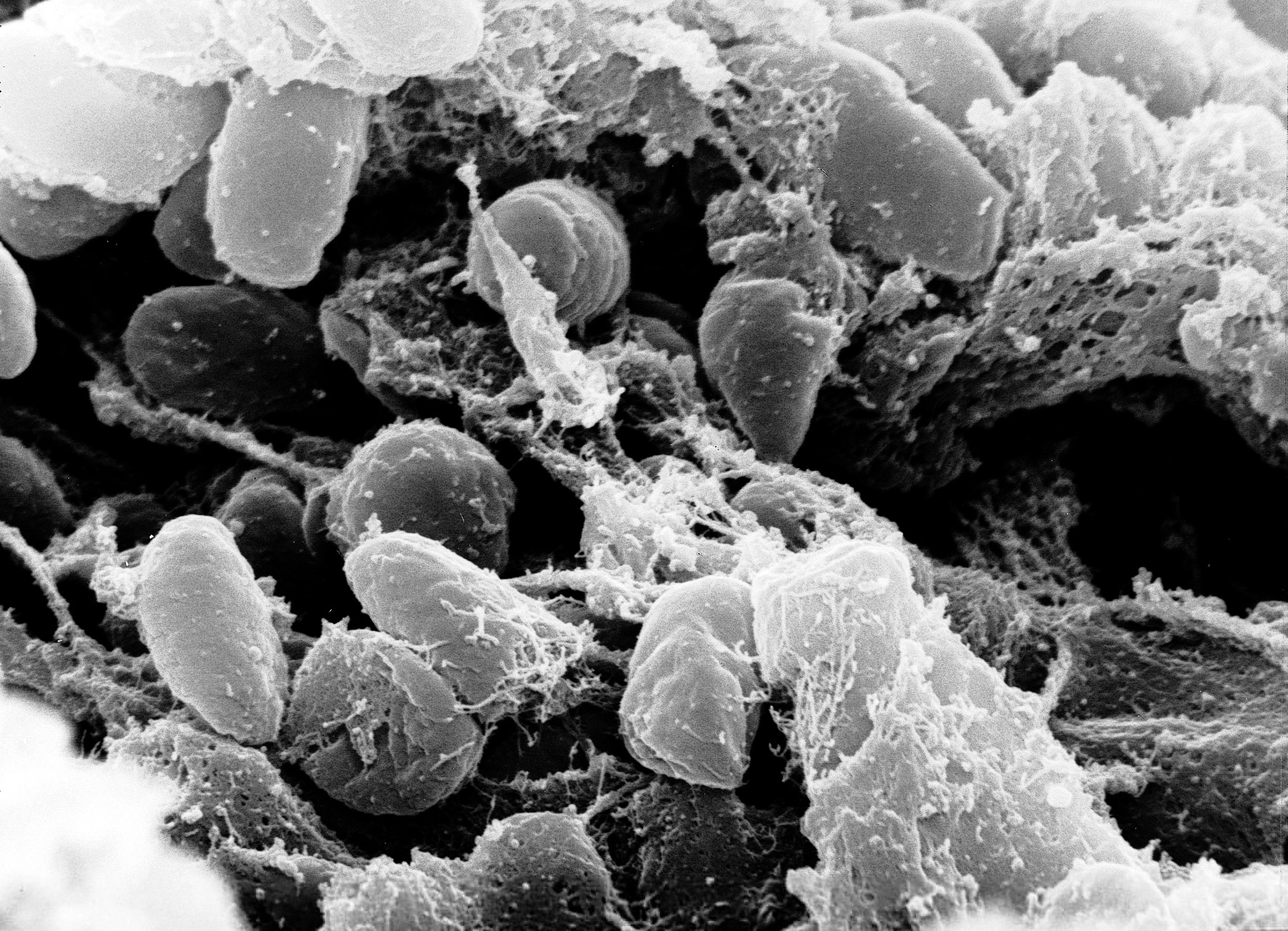
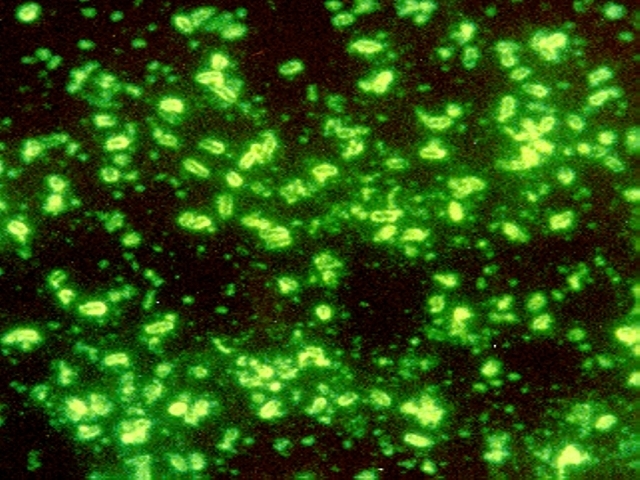
Image source: Wikipedia/Wikimedia
| Ecology, Host, and Life Cycle | |
|---|---|
| Oxygen requirements | Facultative anaerobe |
| Optimal temperature | 28 |
| Temperature range | Mesophilic |
| Habitat | Multiple |
| Biotic relationship | Free living |
| Host(s) | Homo sapiens, Siphonaptera, Metazoa |
| Cell arrangement | Singles |
| Sporulation | Not Available |
| Energy source | Heterotroph |
| Pathogenicity | Not Available |
Gene Summary
Adenine Count
Not Available
Thymine Count
Not Available
Guanine Count
Not Available
Cytosine Count
Not Available
Genome Length
Not Available
Protein-coding Genes
3661 genes
Non-Coding Genes
188 genes
# of Chromosomes/Plasmids
4
Genes
| Name | Locus Tag | UniProt ID | Strand Orientation | Gene Start/End | Protein Molecular Weight |
|---|---|---|---|---|---|
| flagellar basal-body rod protein flgg | NCTC144_00546 | Not Available | Negative | 562240 - 562938 | 24767.0 |
| flagellar basal body rod protein flgf | NCTC144_00547 | Not Available | Negative | 562919 - 563548 | 21903.8 |
| flagellar hook protein flge | NCTC144_00548 | Not Available | Negative | 563570 - 564856 | 44877.7 |
| flagellar basal body rod modification protein | NCTC144_00549 | Not Available | Negative | 565058 - 565735 | 23144.9 |
| flagellar basal body rod protein flgc | NCTC144_00550 | Not Available | Negative | 565750 - 566154 | 14196.8 |
| flagellar basal body rod protein flgb | NCTC144_00551 | Not Available | Negative | 566160 - 566573 | 15093.0 |
| flagellar basal body p-ring biosynthesis protein flga | NCTC144_00552 | Not Available | Positive | 566746 - 567510 | 27821.7 |
| anti-sigma-28 factor flgm | NCTC144_00553 | Not Available | Positive | 567661 - 567963 | 10897.9 |
| flagellar synthesis protein flgn | NCTC144_00554 | Not Available | Positive | 567985 - 568422 | 16271.5 |
| invasin domain-containing protein | NCTC144_00555 | Not Available | Negative | 568612 - 570684 | 73662.3 |
Pathways
1291 pathways
Health Effects
| Health Condition | Relation | Reference |
|---|---|---|
| Plague | Causes | PMC10229654 |
| Bubonic plague | Causes | PMC10229654 |
| Septicaemic plague | Causes | PMC10229654 |
| Pneumonic plague | Causes | PMC10229654 |
| Justinianic plague | Causes | PMC10229654 |
| Black death | Causes | PMC10229654 |
| Plague | Causes | PMC3047566 |
| Black death | Causes | PMC3216949 |
| Plague | Causes | PMC3216949 |
| Plague | Causes | PMC4644222 |