Kingdom
Pseudomonadati
Phylum
Pseudomonadota
Class
Gammaproteobacteria
Order
Enterobacterales
Family
Yersiniaceae
Genus
Yersinia
Description
Taxonomy
| Kingdom | Pseudomonadati |
|---|---|
| Phylum | Pseudomonadota |
| Class | Gammaproteobacteria |
| Order | Enterobacterales |
| Family | Yersiniaceae |
| Genus | Yersinia |
| Species | Yersinia pestis |
| Strain | No strain |
Profile
| Physiology | |
|---|---|
| Gram staining properties | Negative |
| Shape | Rod |
| Mobility | Yes |
| Flagellar presence | Yes |
| Number of membranes | 2 |

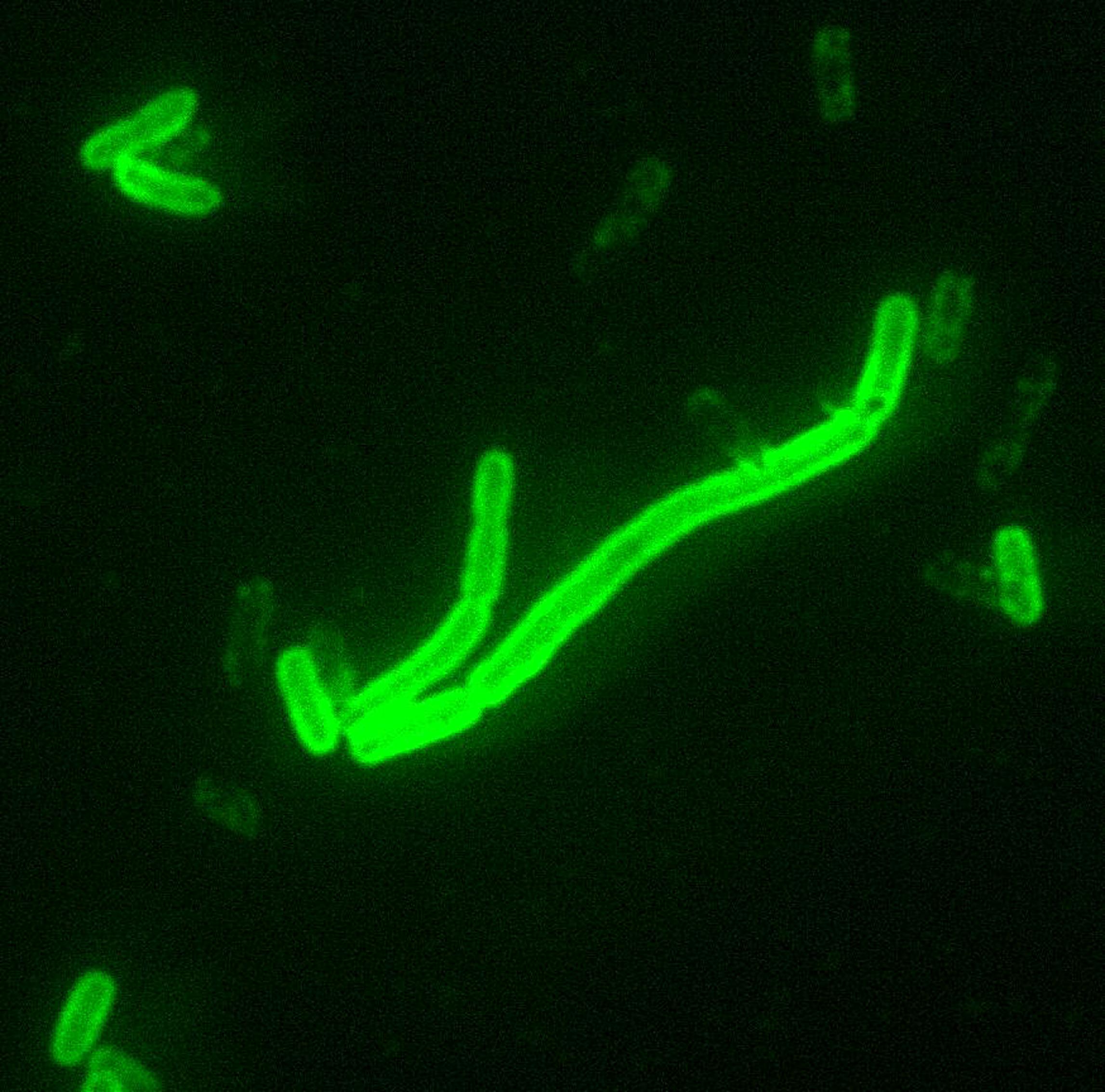
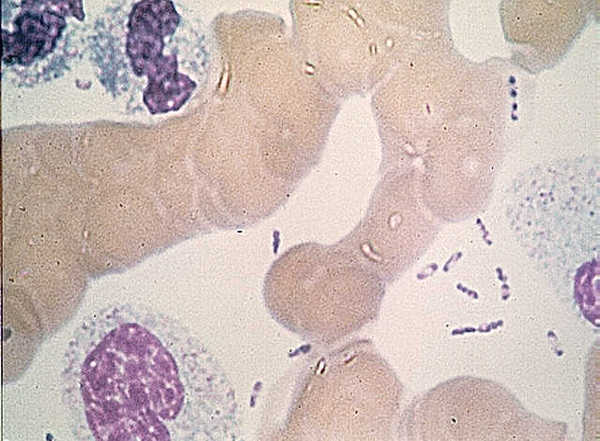
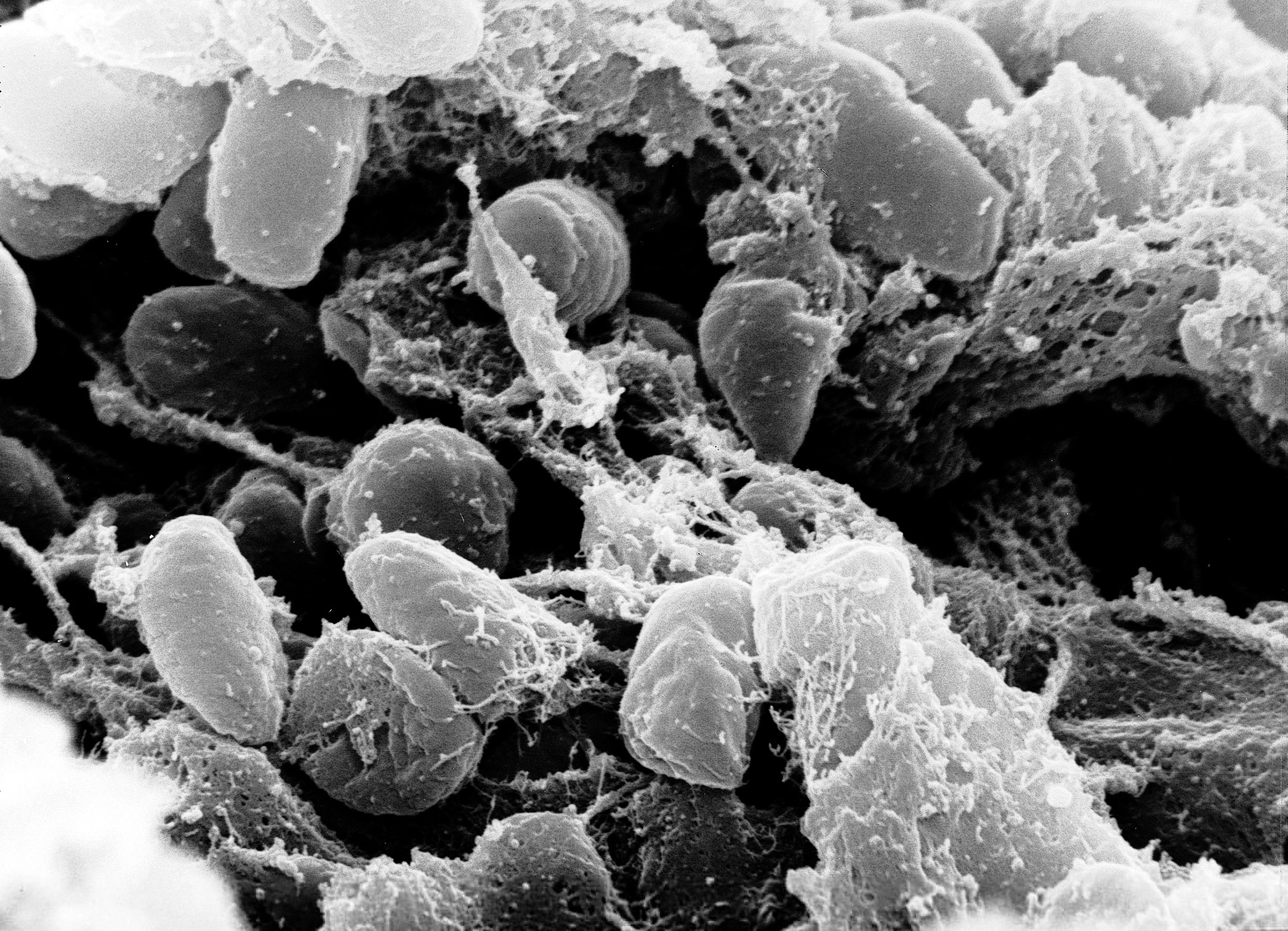
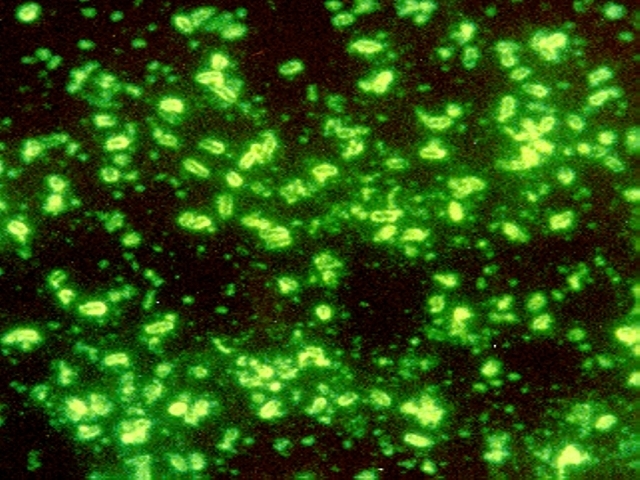
Image source: Wikipedia/Wikimedia
| Ecology, Host, and Life Cycle | |
|---|---|
| Oxygen requirements | Facultative anaerobe |
| Optimal temperature | 28 |
| Temperature range | Mesophilic |
| Habitat | Multiple |
| Biotic relationship | Free living |
| Host(s) | Homo sapiens, Siphonaptera, Metazoa |
| Cell arrangement | Singles |
| Sporulation | Not Available |
| Energy source | Heterotroph |
| Pathogenicity | Not Available |
Gene Summary
Adenine Count
Not Available
Thymine Count
Not Available
Guanine Count
Not Available
Cytosine Count
Not Available
Genome Length
Not Available
Protein-coding Genes
3661 genes
Non-Coding Genes
188 genes
# of Chromosomes/Plasmids
4
Genes
| Name | Locus Tag | UniProt ID | Strand Orientation | Gene Start/End | Protein Molecular Weight |
|---|---|---|---|---|---|
| uncharacterised protein | NCTC144_00516 | Not Available | Negative | 532678 - 532857 | 6665.87 |
| flagellar basal body protein | NCTC144_00517 | Not Available | Negative | 533277 - 533588 | 10715.0 |
| flagellar ms-ring protein | NCTC144_00518 | Not Available | Positive | 533941 - 535653 | 61627.3 |
| flagellar motor switch protein g | NCTC144_00519 | Not Available | Positive | 535650 - 536642 | 36818.4 |
| flagellar assembly protein h | NCTC144_00520 | Not Available | Positive | 536635 - 537351 | 25933.8 |
| flagellum-specific atp synthase | NCTC144_00521 | Not Available | Positive | 537290 - 538768 | 53191.2 |
| flagellar biosynthesis chaperone | NCTC144_00522 | Not Available | Positive | 538868 - 539314 | 17529.5 |
| flagellar hook-length control protein | NCTC144_00523 | Not Available | Positive | 539311 - 540663 | 46246.1 |
| flagellar protein flil | NCTC144_00524 | Not Available | Positive | 540930 - 541400 | 17460.4 |
| flagellar motor switch protein flim | NCTC144_00525 | Not Available | Positive | 541406 - 542407 | 37769.4 |
Pathways
1291 pathways
Health Effects
| Health Condition | Relation | Reference |
|---|---|---|
| Plague | Causes | PMC10229654 |
| Bubonic plague | Causes | PMC10229654 |
| Septicaemic plague | Causes | PMC10229654 |
| Pneumonic plague | Causes | PMC10229654 |
| Justinianic plague | Causes | PMC10229654 |
| Black death | Causes | PMC10229654 |
| Plague | Causes | PMC3047566 |
| Black death | Causes | PMC3216949 |
| Plague | Causes | PMC3216949 |
| Plague | Causes | PMC4644222 |