Kingdom
Pseudomonadati
Phylum
Pseudomonadota
Class
Gammaproteobacteria
Order
Enterobacterales
Family
Yersiniaceae
Genus
Yersinia
Description
Taxonomy
| Kingdom | Pseudomonadati |
|---|---|
| Phylum | Pseudomonadota |
| Class | Gammaproteobacteria |
| Order | Enterobacterales |
| Family | Yersiniaceae |
| Genus | Yersinia |
| Species | Yersinia pestis |
| Strain | No strain |
Profile
| Physiology | |
|---|---|
| Gram staining properties | Negative |
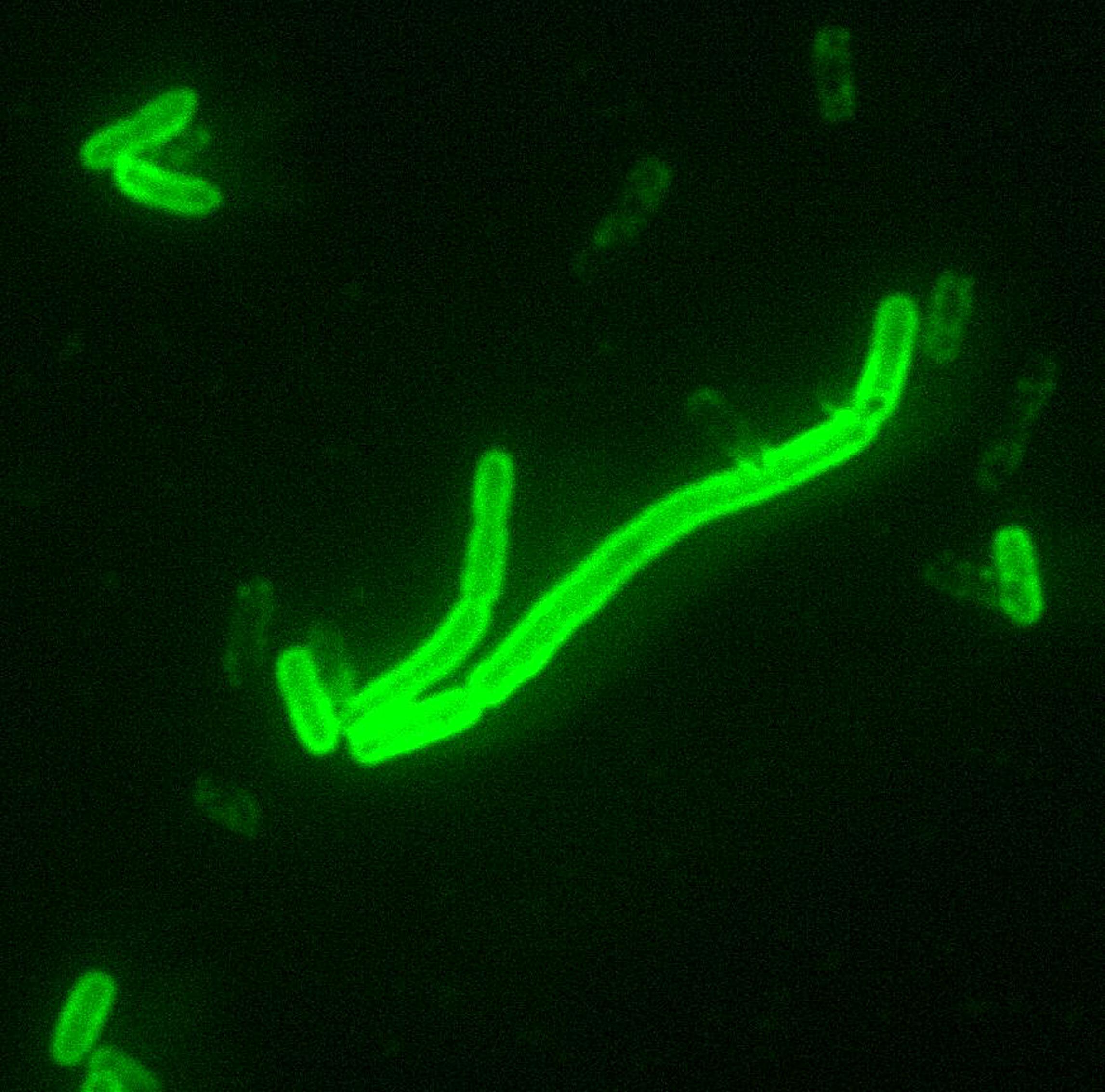
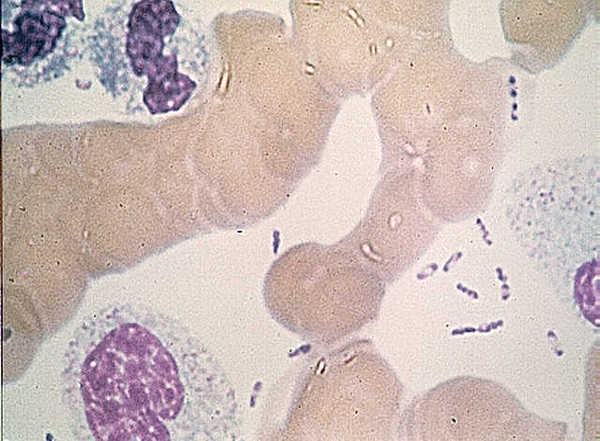
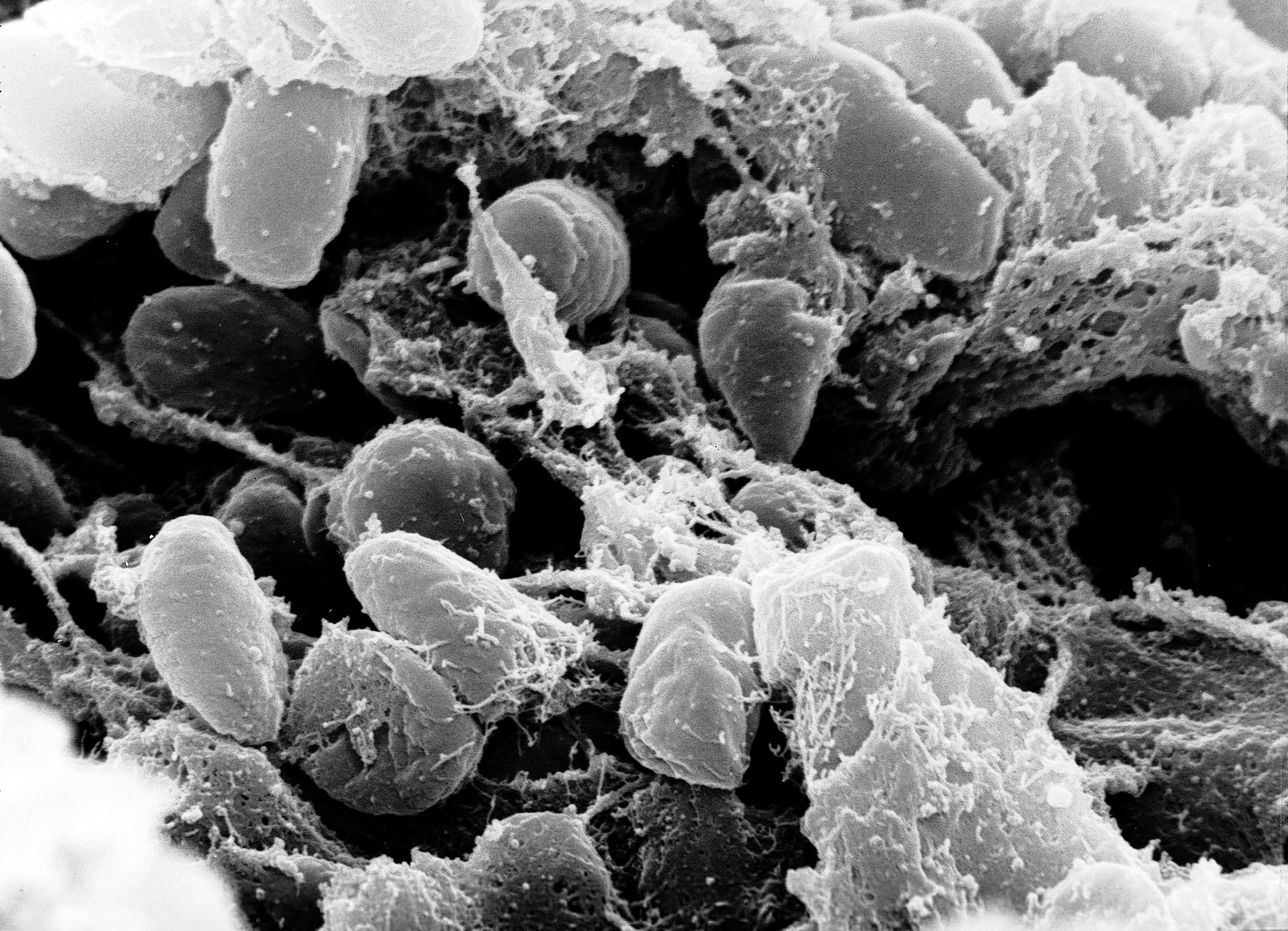
| Shape | Rod |
| Mobility | Yes |
| Flagellar presence | Yes |
| Number of membranes | 2 |

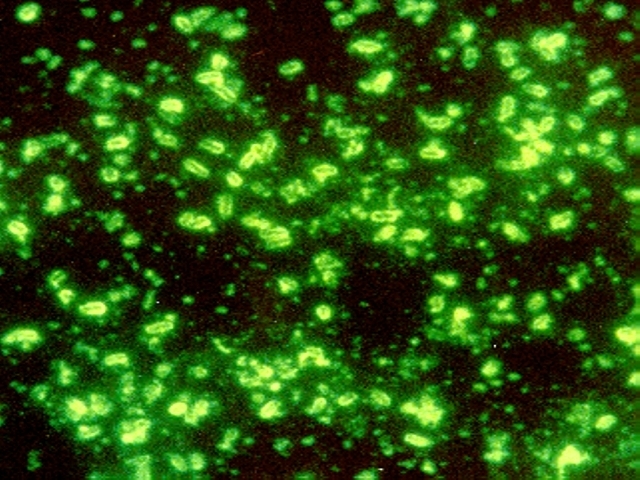
Image source: Wikipedia/Wikimedia
| Ecology, Host, and Life Cycle | |
|---|---|
| Oxygen requirements | Facultative anaerobe |
| Optimal temperature | 28 |
| Temperature range | Mesophilic |
| Habitat | Multiple |
| Biotic relationship | Free living |
| Host(s) | Homo sapiens, Siphonaptera, Metazoa |
| Cell arrangement | Singles |
| Sporulation | Not Available |
| Energy source | Heterotroph |
| Pathogenicity | Not Available |
Gene Summary
Adenine Count
Not Available
Thymine Count
Not Available
Guanine Count
Not Available
Cytosine Count
Not Available
Genome Length
Not Available
Protein-coding Genes
3661 genes
Non-Coding Genes
188 genes
# of Chromosomes/Plasmids
4
Genes
| Name | Locus Tag | UniProt ID | Strand Orientation | Gene Start/End | Protein Molecular Weight |
|---|---|---|---|---|---|
| Putative recombination endonuclease | NCTC144_00245 | Not Available | Negative | 242211 - 242816 | 23893.5 |
| Putative ninb protein | NCTC144_00246 | Not Available | Negative | 242890 - 243336 | 16495.8 |
| Dna adenine methyltransferase | NCTC144_00247 | Not Available | Positive | 243363 - 244061 | 26137.1 |
| Bacteriophage excisionase | NCTC144_00248 | Not Available | Positive | 244361 - 244621 | 10302.5 |
| Transposase/is protein | NCTC144_00249 | Not Available | Negative | 244789 - 245568 | 29296.6 |
| Transposase | NCTC144_00250 | Not Available | Negative | 245568 - 246590 | 39903.2 |
| Attr | Not Available | Not Available | Positive | 246455 - 246466 | Not Available |
| Putative bacteriophage integrase | NCTC144_00251 | Not Available | Positive | 246735 - 247898 | 43606.9 |
| Attl | Not Available | Not Available | Positive | 470353 - 470365 | Not Available |
| Attl | Not Available | Not Available | Positive | 470848 - 470859 | Not Available |
Pathways
22 pathways
No pathways found
No metabolic pathways have been associated with this bacterium yet.
Health Effects
| Health Condition | Relation | Reference |
|---|---|---|
| Plague | Causes | PMC10229654 |
| Bubonic plague | Causes | PMC10229654 |
| Septicaemic plague | Causes | PMC10229654 |
| Pneumonic plague | Causes | PMC10229654 |
| Justinianic plague | Causes | PMC10229654 |
| Black death | Causes | PMC10229654 |
| Plague | Causes | PMC3047566 |
| Black death | Causes | PMC3216949 |
| Plague | Causes | PMC3216949 |
| Plague | Causes | PMC4644222 |