Kingdom
Pseudomonadati
Phylum
Pseudomonadota
Class
Gammaproteobacteria
Order
Enterobacterales
Family
Yersiniaceae
Genus
Yersinia
Description
Taxonomy
| Kingdom | Pseudomonadati |
|---|---|
| Phylum | Pseudomonadota |
| Class | Gammaproteobacteria |
| Order | Enterobacterales |
| Family | Yersiniaceae |
| Genus | Yersinia |
| Species | Yersinia enterocolitica |
| Strain | No strain |
Profile
| Physiology | |
|---|---|
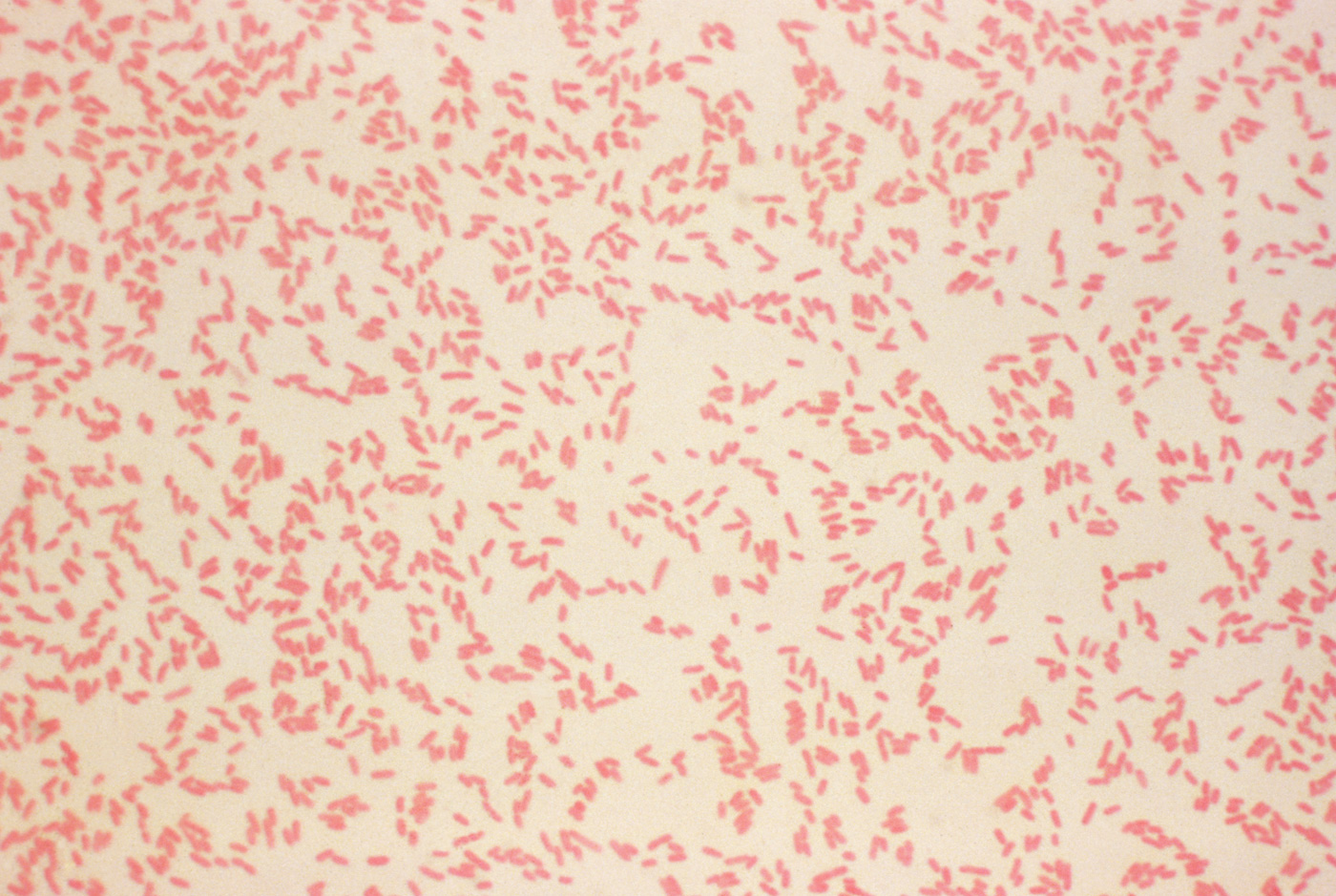
| Gram staining properties | Negative |
| Shape | Rod |
| Mobility | Yes |
| Flagellar presence | Yes |
| Number of membranes | 2 |

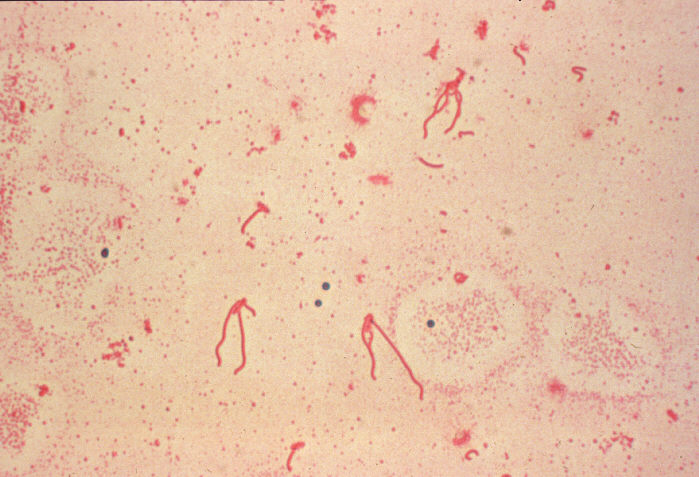
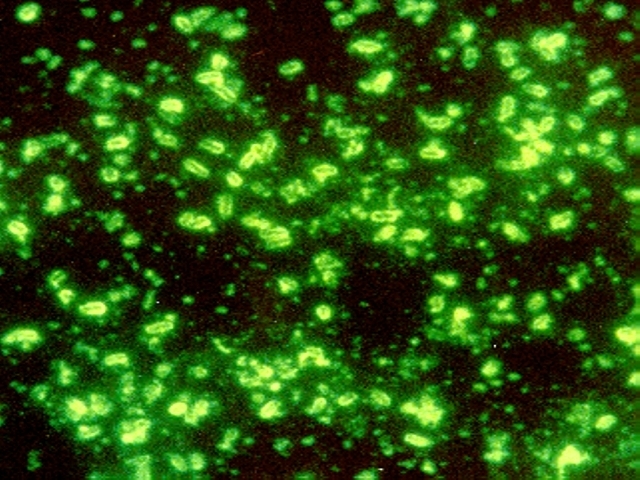
Image source: Wikipedia/Wikimedia
| Ecology, Host, and Life Cycle | |
|---|---|
| Oxygen requirements | Facultative anaerobe |
| Optimal temperature | 28 |
| Temperature range | Mesophilic |
| Habitat | Multiple |
| Biotic relationship | Free living |
| Host(s) | Homo sapiens, Metazoa, Sus scrofa |
| Cell arrangement | Singles |
| Sporulation | Nonsporulating |
| Energy source | Heterotroph |
| Pathogenicity | Not Available |
Genome Summary
Yersinia enterocolitica genome assembly 8016_2#65, scaffold
Gene Summary
Adenine Count
1212733 bp
Thymine Count
1207902 bp
Guanine Count
1061973 bp
Cytosine Count
1081188 bp
Genome Length
4563803 bp
Protein-coding Genes
3945 genes
Non-Coding Genes
248 genes
# of Chromosomes/Plasmids
3
Genes
| Name | Locus Tag | UniProt ID | Strand Orientation | Gene Start/End | Protein Molecular Weight |
|---|---|---|---|---|---|
| short chain dehydrogenase | ERS137941_04091 | P31808 | Positive | 4393184 - 4393945 | 27517.2 |
| cob(i)yrinic acid a%2cc-diamide adenosyltransferase | ERS137941_04092 | P0A9H6 | Positive | 4393957 - 4394547 | 21872.1 |
| uncharacterised protein | ERS137941_04093 | Not Available | Negative | 4394672 - 4394866 | 6520.19 |
| membrane protein | ERS137941_04094 | Not Available | Positive | 4395473 - 4396936 | 54003.2 |
| large exoprotein involved in heme utilization or adhesion | ERS137941_04095 | Not Available | Negative | 4397169 - 4398575 | 50681.6 |
| putative hemolysin activator protein | ERS137941_04096 | Q7CGD8 | Negative | 4398695 - 4400407 | 64481.9 |
| large exoprotein involved in heme utilization or adhesion | ERS137941_04097 | Q7CGD9 | Negative | 4400539 - 4401744 | 42618.3 |
| Trna-pro | Not Available | Not Available | Positive | 4402054 - 4402130 | Not Available |
| regulatory protein uhpc | ERS137941_04099 | Not Available | Negative | 4402247 - 4403611 | 50851.7 |
| sensory histidine kinase uhpb | ERS137941_04100 | P09835 | Negative | 4403672 - 4405204 | 56906.5 |
Pathways
22 pathways
No pathways found
No metabolic pathways have been associated with this bacterium yet.
Health Effects
| Health Condition | Relation | Reference |
|---|---|---|
| Diarrhea | Causes | PMC3748105 |
| Enterocolitis | Causes | PMC3748105 |
| Mesenteric lymphadenitis | Causes | PMC3748105 |
| Yersiniosis | Causes | PMC4641178 |
| Human disease | Causes | PMC4641178 |
| Yersiniosis | Causes | PMC9694339 |
| Yersiniosis | Causes | PMC6828698 |
| Enteric yersiniosis | Causes | PMC7660898 |
| Yersiniosis | Causes | PMC8699262 |
| Pharyngitis | Causes | PMC3826126 |